
Last updated September 20, 2026
Full 25-point door and opener safety check with every visit - springs, cables, rollers, tracks, and your LiftMaster or Chamberlain opener included
You get a price before we start. It does not change when the truck arrives.
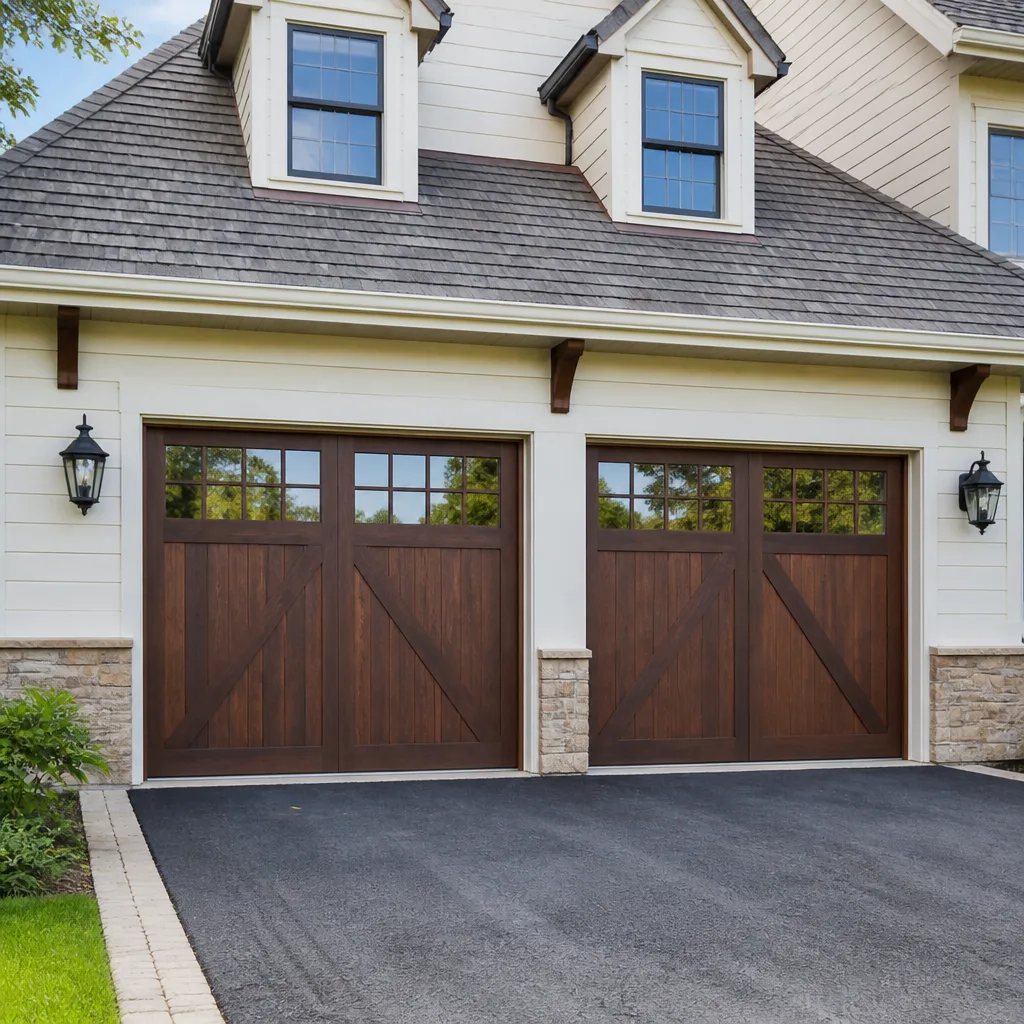
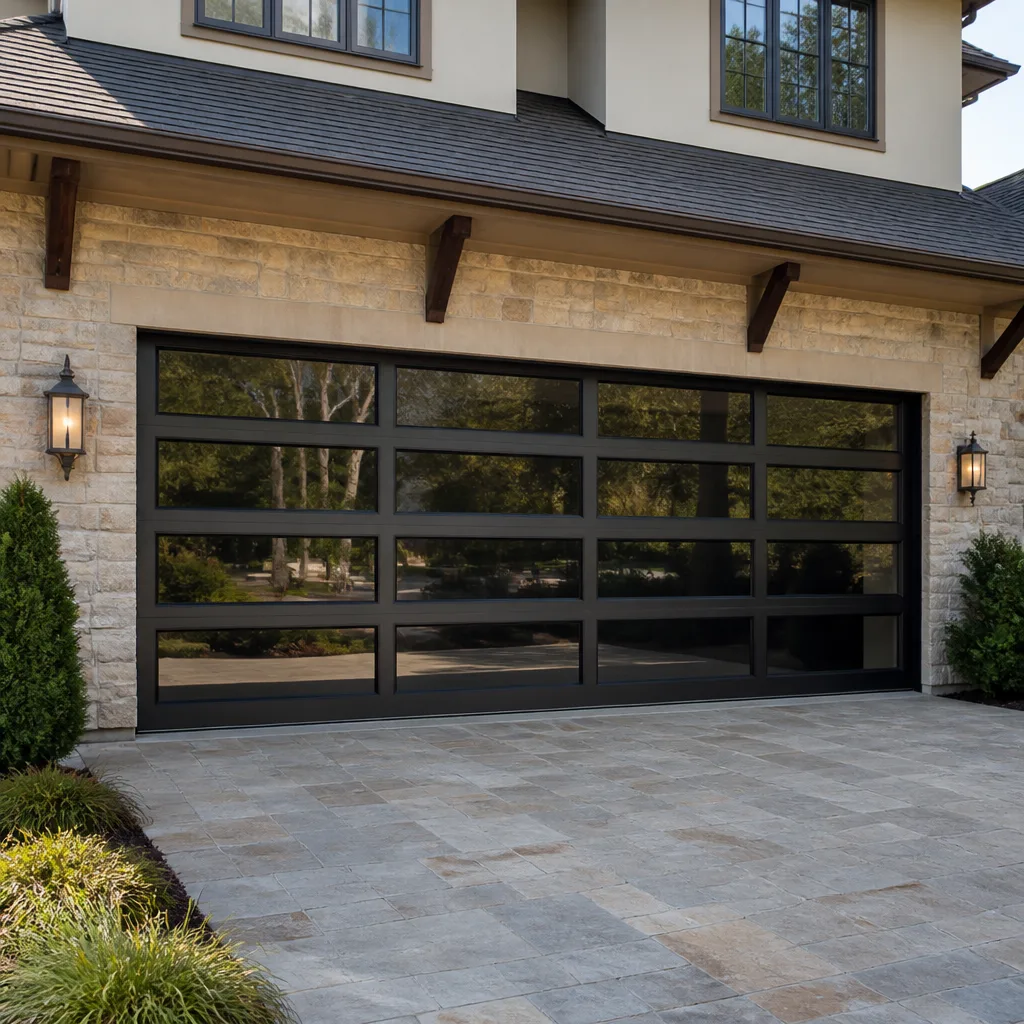
Modern flush
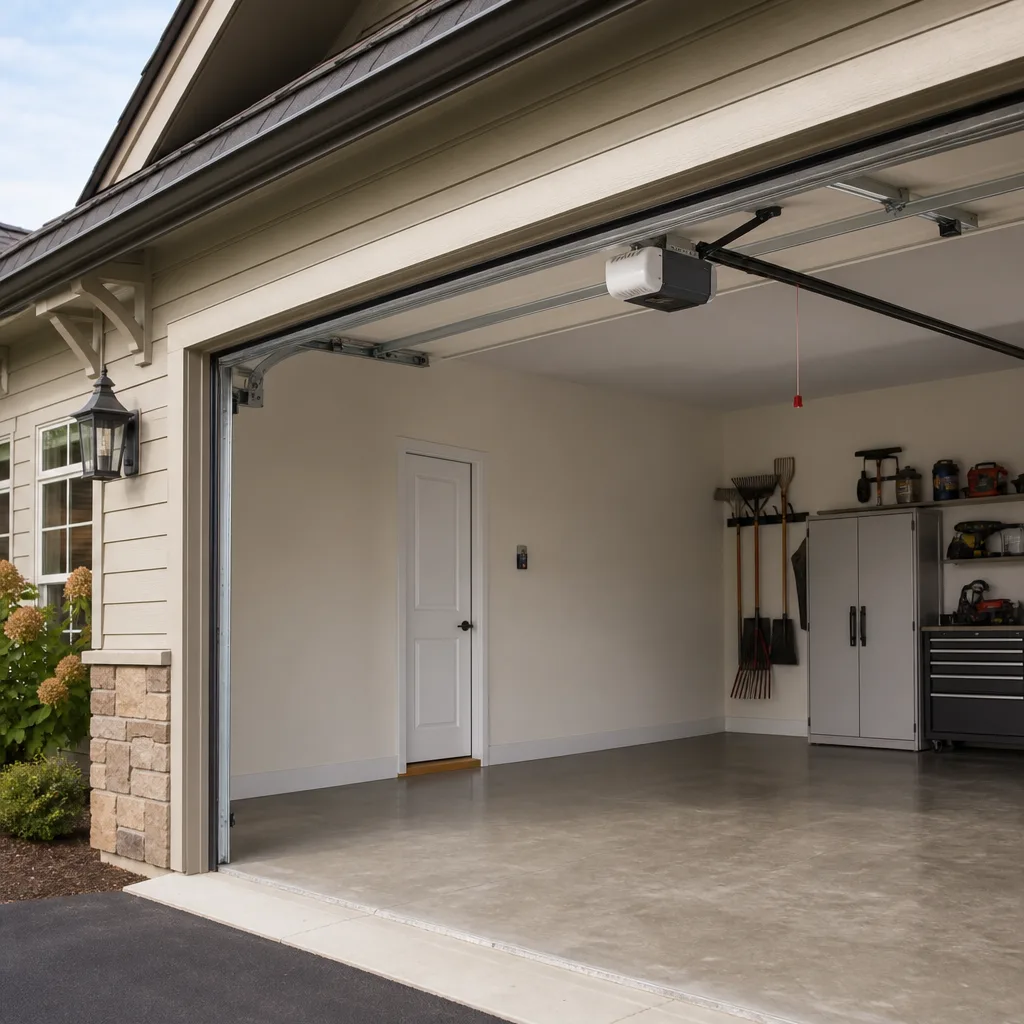
LiftMaster openers
 Before
 After
After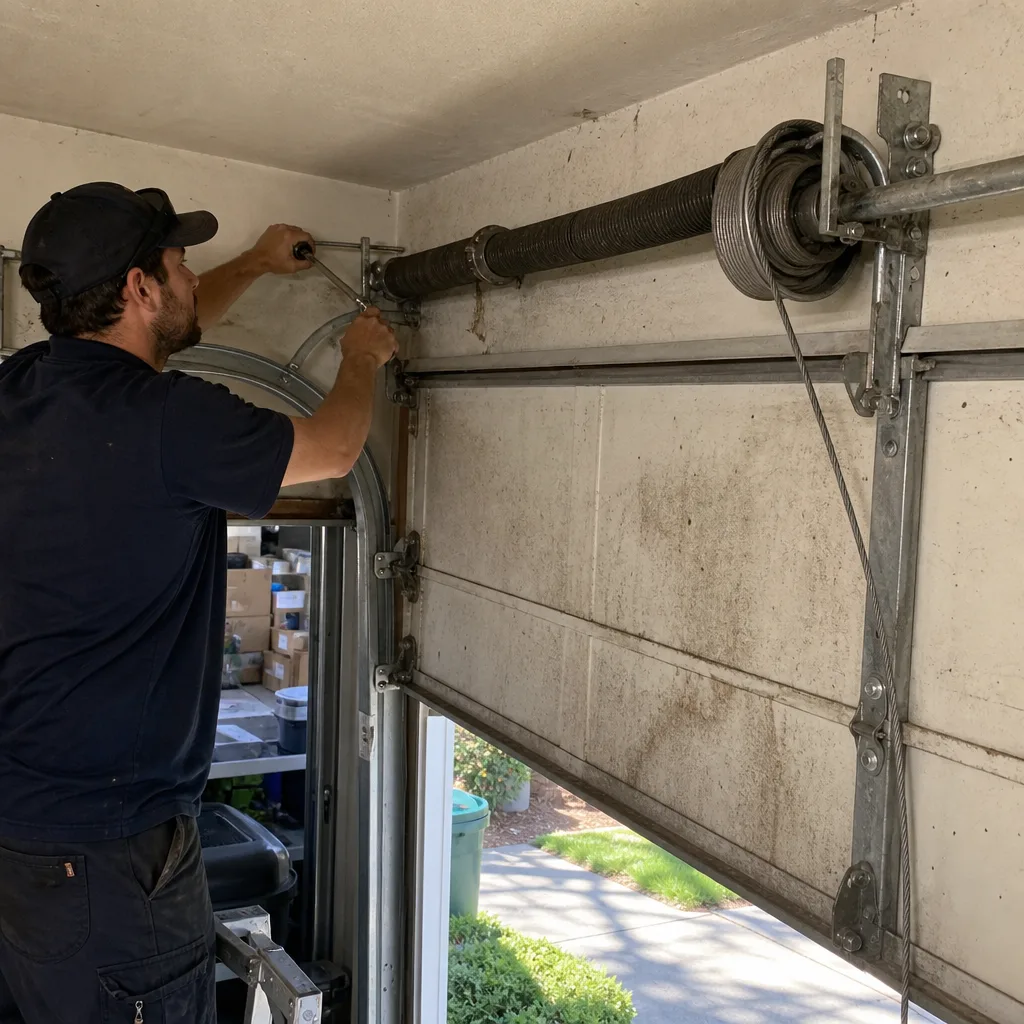 Before
 After
After Before
 After
AfterSeasonal Garage Door Care for Sandy Springs: Year-Round Homeowner’s Guide
Sandy Springs averages 50 inches of rain per year, nearly all of it falling between March and September. That is not a footnote for garage door care. That is the dominant variable. A steel garage door in this climate faces a six-month stretch where humidity sits above 70%, afternoon thunderstorms arrive without warning, and the red clay dust that defines north Atlanta soil finds its way into every opening. Then comes a short January freeze window that contracts metal hardware. Then two transition periods where everything that shifted slowly becomes visible at once. This guide is built around those actual conditions in Sandy Springs, not a generic four-season template written for Ohio or Arizona. You will learn what to inspect, when to inspect it, and which tasks genuinely matter versus which ones waste your Saturday, or you can explore more guides & resources for year-round maintenance.
Quick Answer
Seasonal garage door care in Sandy Springs, GA means preparing for one long humid season from March through September that degrades seals and paint, one brief freeze window in January and February that contracts metal hardware, and two transition months, October and March, where alignment problems become visible. The highest-impact homeowner tasks are cleaning and inspecting the bottom weather seal before summer, lubricating rollers and hinges with a dry silicone spray (not petroleum-based products, which attract red clay dust), and doing a visual inspection of torsion springs and cables before the freeze window. For a deeper look at whether to handle these yourself, see DIY vs Professional Garage Door: The Sandy Springs Homeowner’s Decision Guide. Budget two to three hours per year total, broken into four short sessions tied to the calendar.
Table of Contents
- Sandy Springs Climate and What It Actually Does to Garage Doors
- A Month-by-Month Task Calendar for Sandy Springs
- Lubricant Selection for North Atlanta Conditions
- The Bottom Weather Seal: Inspection, Measurement, and Replacement
- The January-February Freeze Window: Tension, Springs, and Battery Backup
- Summer Thermal Expansion and Track Clearance
- Common Mistakes to Avoid
- When to Call a Professional
- Frequently Asked Questions
- The Bottom Line
BeforeAfterSandy Springs Climate and What It Actually Does to Garage Doors
The garage door industry produces a lot of seasonal advice that was not written for this climate. Newspapers and home improvement sites publish the same four-seasons checklist regardless of whether the reader lives in Phoenix, Minneapolis, or Sandy Springs. The result is homeowners lubricating in the wrong month, replacing seals on a calendar schedule instead of a condition schedule, and missing the specific failure patterns that this region produces. Here is what 50 inches of annual rainfall plus metro Atlanta humidity actually does to a garage door.
Humidity, Not Cold, Is Your Primary Enemy
Cold snaps in Sandy Springs are brief and rarely severe. The average January low sits around freezing, and sustained hard freezes are uncommon. What Sandy Springs has in abundance is moisture. From March through September, the dew point stays high enough that steel surfaces remain damp for hours each morning. This accelerates oxidation on unsealed metal parts, softens paint adhesion, and causes neoprene and rubber weather seals to compress and lose their rebound. A bottom seal that looked fine in December may sit flat and ineffective by August, not because it cracked, but because the material has been steam-baked for six months.
Red Clay Dust
North Atlanta soil is heavy with iron oxide, the red clay that stains driveways and clings to shoes. It is also extremely fine. During dry spells between rain events, wind and vehicle traffic lift this dust into the air, and it settles on horizontal surfaces, including the horizontal track rails and roller stems inside your garage. Mix red clay dust with a petroleum-based lubricant and you get an abrasive paste that accelerates roller and hinge wear. This is a Sandy Springs-specific problem that generic garage door advice never addresses. The fix is lubricant selection, covered in detail below.
Pollen Season and the Weather Seal
From late March through April, pine pollen blankets every surface in Sandy Springs, including the bottom edge of your garage door and the track where the door seals against the jamb. Pollen is sticky when damp and gritty when dry. It accumulates where the door closes, embedding in the rubber weather seal and interfering with the seal’s ability to compress evenly. A homeowner who wipes the bottom seal with a damp cloth during pollen season will prevent the gradual accumulation that eventually forces the seal to sit unevenly against the concrete.
Thermal Expansion Patterns
Steel expands when heated. A 16-foot steel door panel on a July afternoon in Sandy Springs, when the sun hits the west-facing side at 95 degrees, can grow by a measurable fraction of an inch. This changes the clearance between the door edge and the vertical track. A door that rolled smoothly at 8:00 a.m. may bind or scrape at 3:00 p.m. This is not a defect. It is physics. The response is to check track spacing and roller condition, which we cover in the summer expansion section.
A Month-by-Month Task Calendar for Sandy Springs
This calendar is built around the actual conditions in Sandy Springs: the humidity peak from June through August, the brief freeze window in January and February, pollen in late March and April, and two transition months where problems become visible. For a comprehensive breakdown of what to expect, read The Complete Guide to Garage Door in Sandy Springs. Total time commitment is two to three hours per year, spread across four short sessions.
January (Freeze Window Opens)
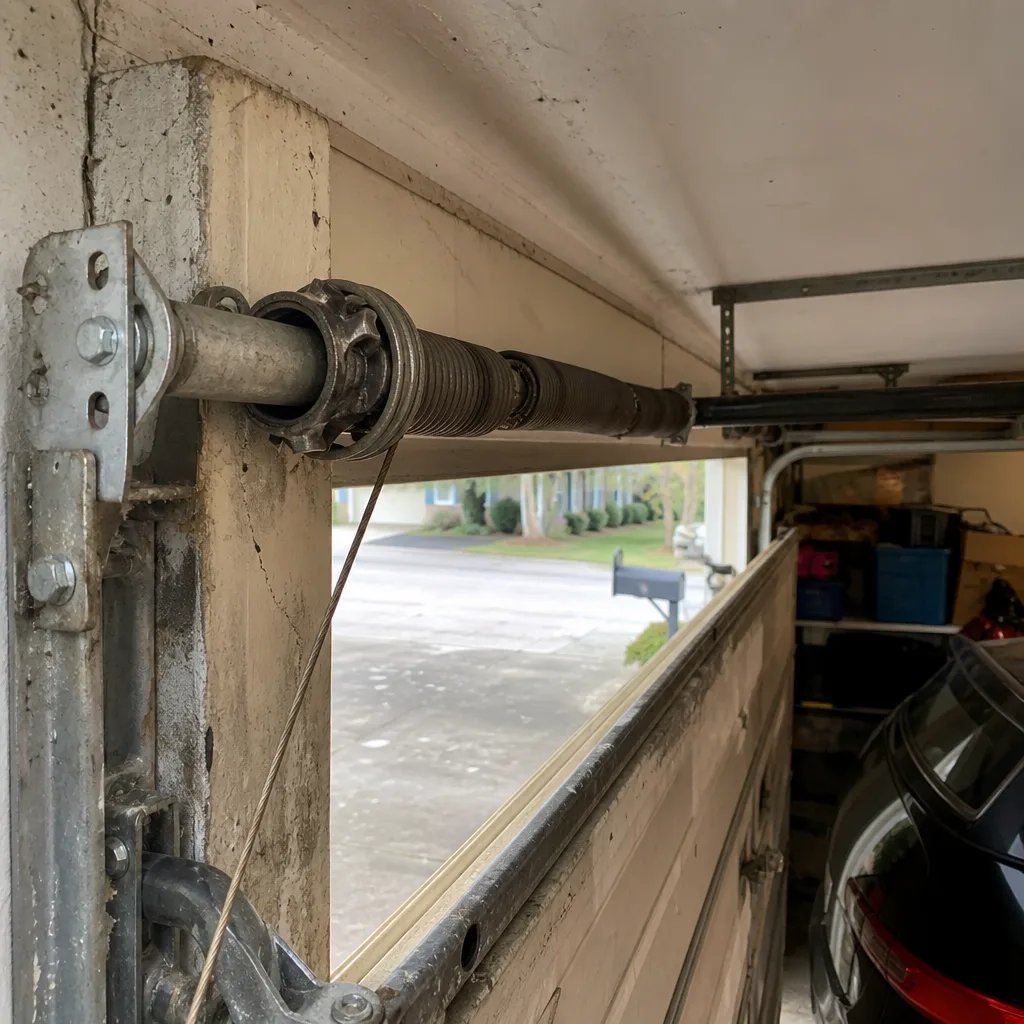
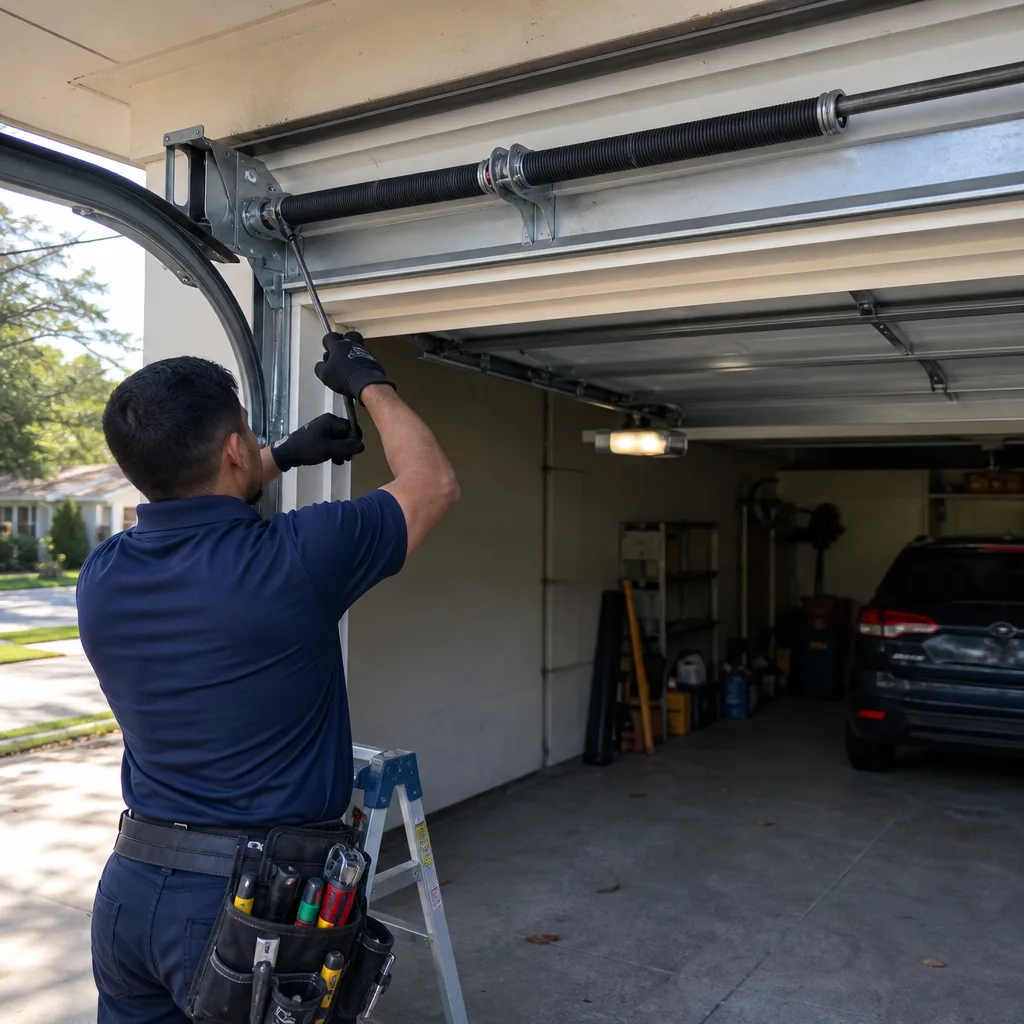
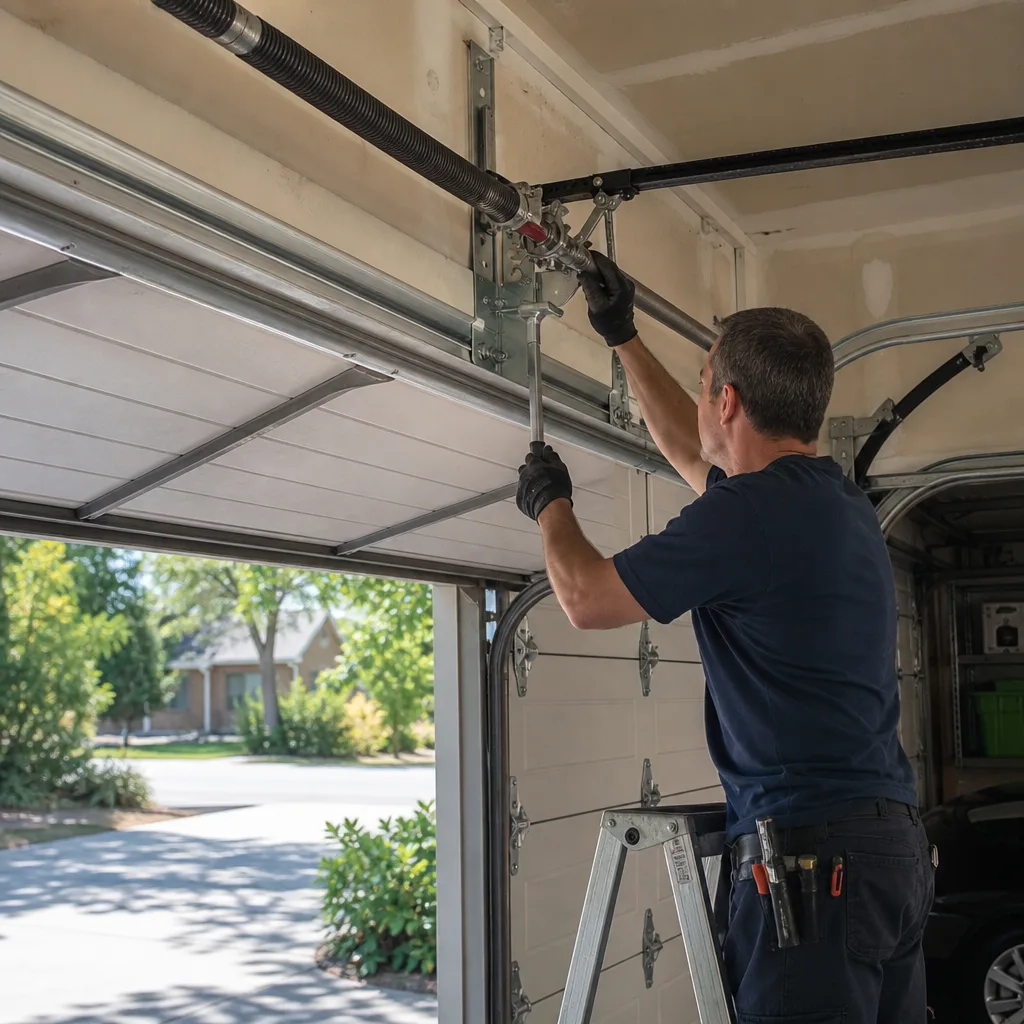
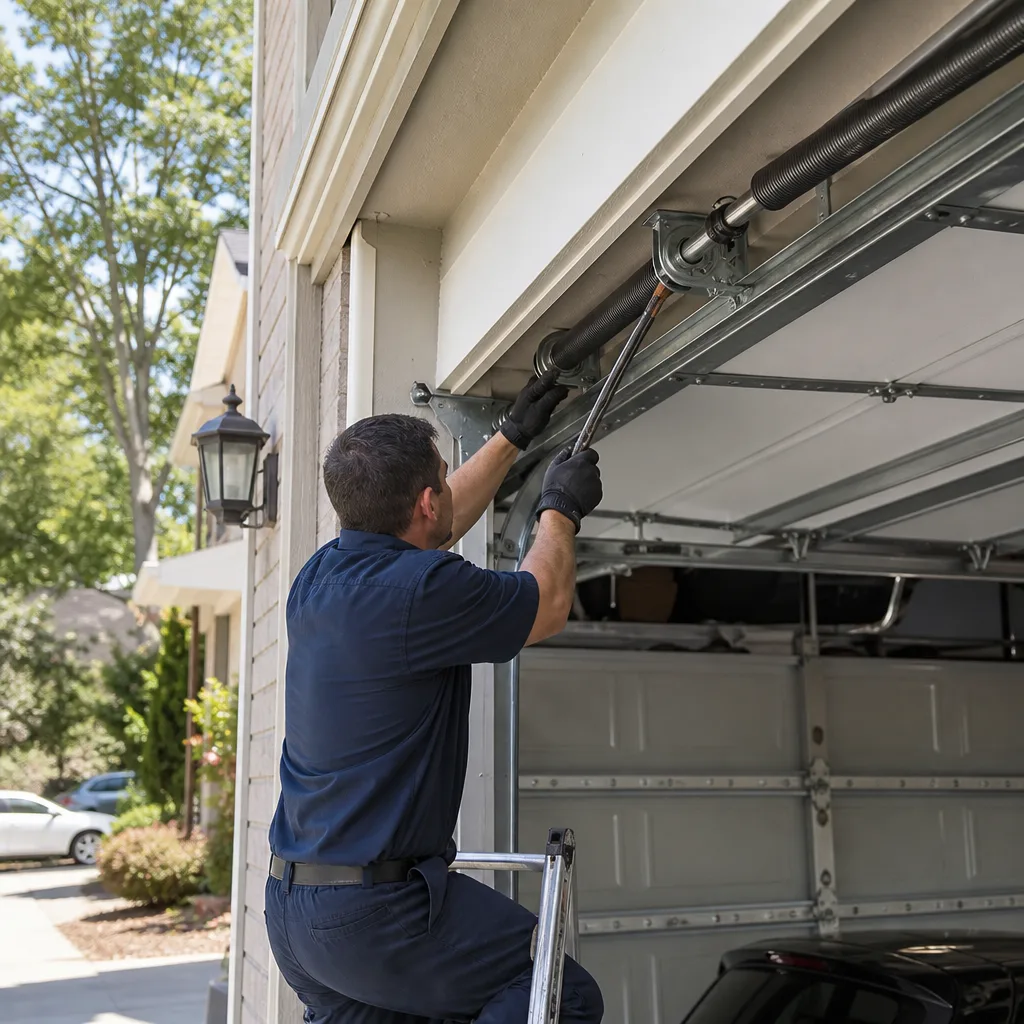
- Visual torsion spring check. Stand inside the garage with the door closed. Look at the torsion spring mounted horizontally above the door opening. You are looking for a visible gap in the coils, which indicates a clean break. A broken spring is obvious: the spring separates into two halves and the door will not lift, or lifts only a few inches before stopping. Do not attempt to repair a torsion spring yourself. The stored energy in a wound spring can cause serious injury. Call a professional. If the spring is intact, look for rust forming at the coil ends, which is common after years of Sandy Springs humidity.
- Cable inspection. The lifting cables run vertically on each side of the door. Look for fraying strands, especially near the bottom bracket where the cable attaches to the door. Fraying means the cable is nearing failure and should be replaced before it snaps under load.
- Battery backup confirmation. If your opener has a battery backup, this is the month to test it. Unplug the opener and operate the door once on battery. If the door moves slowly or the battery indicator is weak, replace the battery. Winter storms in Sandy Springs are brief but power outages occur. A functioning battery backup means you are not lifting a double-wide door by hand in freezing rain.
- Lubricate rollers and hinges. Dry silicone spray only. More on this in the lubricant section below.
March (Transition Month: Everything Becomes Visible)
March is the month when problems that developed slowly over winter become obvious. The temperature swings accelerate, and the door operates more frequently as homeowners open and close it throughout the day. Run the door through a full cycle and listen. A scraping sound means the rollers are wearing. A clicking sound at a specific point in the cycle means a roller or hinge is loose. A thumping sound means the door is out of balance. Also check the door balance by disconnecting the opener, pulling the emergency release cord, and lifting the door manually to the halfway point. If the door stays in place, it is properly balanced. If it falls or rises, the springs need adjustment by a professional.
April (Pollen Month)
- Wipe the bottom weather seal. Use a damp cloth to remove pine pollen from the rubber seal at the bottom of the door and the door jamb where the seal contacts. Do this once per week through April and into early May.
- Clean the photo-eye lenses. The safety sensors near the floor on each side of the door collect pollen and dust. Wipe both lenses with a dry cloth. If the door starts and then reverses for no apparent reason, dirty photo-eyes are the most common cause.
- Check the drain path. Sandy Springs receives heavy rain in April. Make sure the area around the garage door slopes away from the door so water does not pool at the bottom seal. Standing water degrades the seal prematurely.
June through August (Humidity Peak and Thermal Expansion)
This is the hardest season on a Sandy Springs garage door. During these three months:
- Monitor the bottom seal for compression loss. After a few months of high heat and humidity, the rubber seal can lose its ability to rebound and sit flat against the concrete. Close the door and inspect the seal from inside with a flashlight. Look for gaps where daylight passes underneath. If you see light, the seal needs replacement. See the weather seal section below.
- Check for summer binding. If the door scrapes or hesitates during the hottest part of the day but operates smoothly in the morning, the track clearance may have shifted. Observe the gap between the door edge and the vertical track on both sides. If the gap is uneven or the door touches the track, the track may need adjustment by a professional. See the thermal expansion section below.
- Lubricate monthly during peak heat. A light application of dry silicone spray to the roller stems, hinges, and the torsion spring once per month from June through August will reduce friction when the metal is at its hottest.
October (Transition Month: Pre-Freeze Preparation)
October is the month to complete the preparation that the January freeze window will demand. Do it now, when the weather is pleasant, rather than standing in a cold garage in January.
- Complete the full inspection list. Torsion spring visual check, cable inspection, roller inspection, and door balance test.
- Clean the track rails. Wipe the inside of the vertical tracks with a dry cloth to remove accumulated dust and debris. Do not apply lubricant to the track rails. Lubricated tracks cause the rollers to slide instead of roll, which accelerates wear.
- Replace batteries. Replace the batteries in any remote controls and wireless keypads. Cold weather reduces battery performance, and the batteries in these devices typically last one to two years.
- Inspect weather stripping on the sides and top. Feel along the door jamb. If the weather stripping is cracked, brittle, or pulling away, replace it before winter.
Lubricant Selection for North Atlanta Conditions
Most generic garage door maintenance guides recommend a lithium-based or petroleum-based lubricant. That advice is wrong for Sandy Springs. Here is why: petroleum-based lubricants remain tacky after application, and tacky surfaces attract the fine red clay dust that is everywhere in north Atlanta. Within weeks, the lubricant becomes an abrasive compound that accelerates wear on rollers, hinges, and the torsion spring. The correct product for this climate is a dry silicone spray or a PTFE-based (Teflon) spray. These lubricants dry to a non-tacky film, do not attract dust, and provide adequate lubrication for the slow-moving components of a garage door.
What to Lubricate
- Roller stems. The metal stem where each roller attaches to the hinge. Apply a short spray to each stem. Do not spray the nylon roller wheel itself.
- Hinges. The pivot points on each door hinge. A short spray on each hinge knuckle is sufficient.
- Torsion spring. Spray the full length of the spring. This reduces friction between coils and slows rust formation. A light coat is sufficient; do not saturate.
- Bearing plates. The stationary bearing plates at each end of the torsion bar. A short spray on each.
What Not to Lubricate
- Track rails. The rollers should roll on the track, not slide. Lubricating the track causes the roller to slide, which flattens the roller surface over time and creates noise.
- The chain or belt on the opener. These are self-lubricating in modern openers. Applying lubricant attracts dust and creates mess.
- Lock mechanisms and latch assemblies. A dry graphite lubricant is the correct product for lock mechanisms if needed, but most modern garage doors do not require this.
How often should you lubricate in Sandy Springs? Four times per year is sufficient for most homeowners: January, April, June or July at the humidity peak, and October. What matters more than frequency is using the correct product. A petroleum-based lubricant applied four times per year will do more harm than a dry silicone spray applied twice.
The Bottom Weather Seal: Inspection, Measurement, and Replacement
The bottom weather seal is the rubber or vinyl strip that runs along the bottom edge of the door and compresses against the concrete when the door closes. In Sandy Springs, this is the most frequently replaced wear component on a garage door. Humidity softens the material, summer heat accelerates compression set, and the seasonal movement of concrete slabs changes the contact point. A seal that is no longer compressing properly allows water, insects, and conditioned air to pass under the door.
How to Inspect the Seal
- Close the garage door completely.
- From inside the garage, lie down or crouch near the bottom edge. Turn off the garage lights. Look for daylight passing underneath. If you see light, the seal is not compressing.
- Press on the seal from inside. A healthy seal should feel resilient and return to its shape when released. A failed seal feels hard, flattened, or permanently compressed.
- Inspect the seal material for cracks, especially at the corners where the seal folds. Cracking is common after two to three Sandy Springs summers.
When to Replace
Replace the bottom weather seal when any of these conditions are present:
- Visible gaps under the door when closed.
- The seal is hard, flattened, or does not rebound when pressed.
- Cracks are visible in the seal material, especially at the corners.
- Water or debris accumulates inside the garage after heavy rain.
- The seal is more than five years old. In Sandy Springs, five years is a typical service life for a bottom seal under normal exposure.
Replacement Process
- Purchase a replacement seal that matches your door brand. Clopay, Amarr, and Wayne Dalton doors use slightly different seal profiles, and using the wrong profile will result in a poor fit. The seal is sold by the foot at hardware stores and door suppliers.
- Open the door to waist height to release tension on the bottom.
- Pull the old seal out of the retainer channel that runs along the bottom of the door. If the seal is held by screws or brackets, remove them first.
- Work the new seal into the retainer from one end, using dish soap diluted with water as a lubricant. Do not use petroleum-based products here either, as they can degrade the rubber.
- Trim the excess length with a sharp utility knife, leaving the seal slightly long so the ends compress against the concrete.
- Close the door and re-check for light gaps.
This is a straightforward homeowner task that takes 30 to 60 minutes. If the retainer channel itself is damaged, bent, or corroded, the door may need a new retainer, which is a more involved repair. In that case, call a professional who can assess whether the door bottom itself is compromised.
The January-February Freeze Window: Tension, Springs, and Battery Backup
The freeze window in Sandy Springs is brief, but it is the period when pre-existing metal fatigue becomes breaks. Cold contracts steel, and a torsion spring that has been weakening for months is most likely to fail on a cold morning. The same is true for lifting cables. The goal of the January checklist is to identify components that are nearing failure before the cold finds the weak point.
Why Cold Weather Breaks Springs
A torsion spring is a coil of hardened steel wire. Every time the door operates, the spring flexes. After approximately 10,000 cycles, the wire develops microscopic fatigue cracks. In cold weather, the steel becomes slightly more brittle, and the contraction changes the stress distribution. A spring that would have lasted another month in warm weather can snap on a 25-degree January morning. This is a known failure pattern in Sandy Springs. It is also why we recommend a visual inspection in early January and again after any prolonged cold snap.
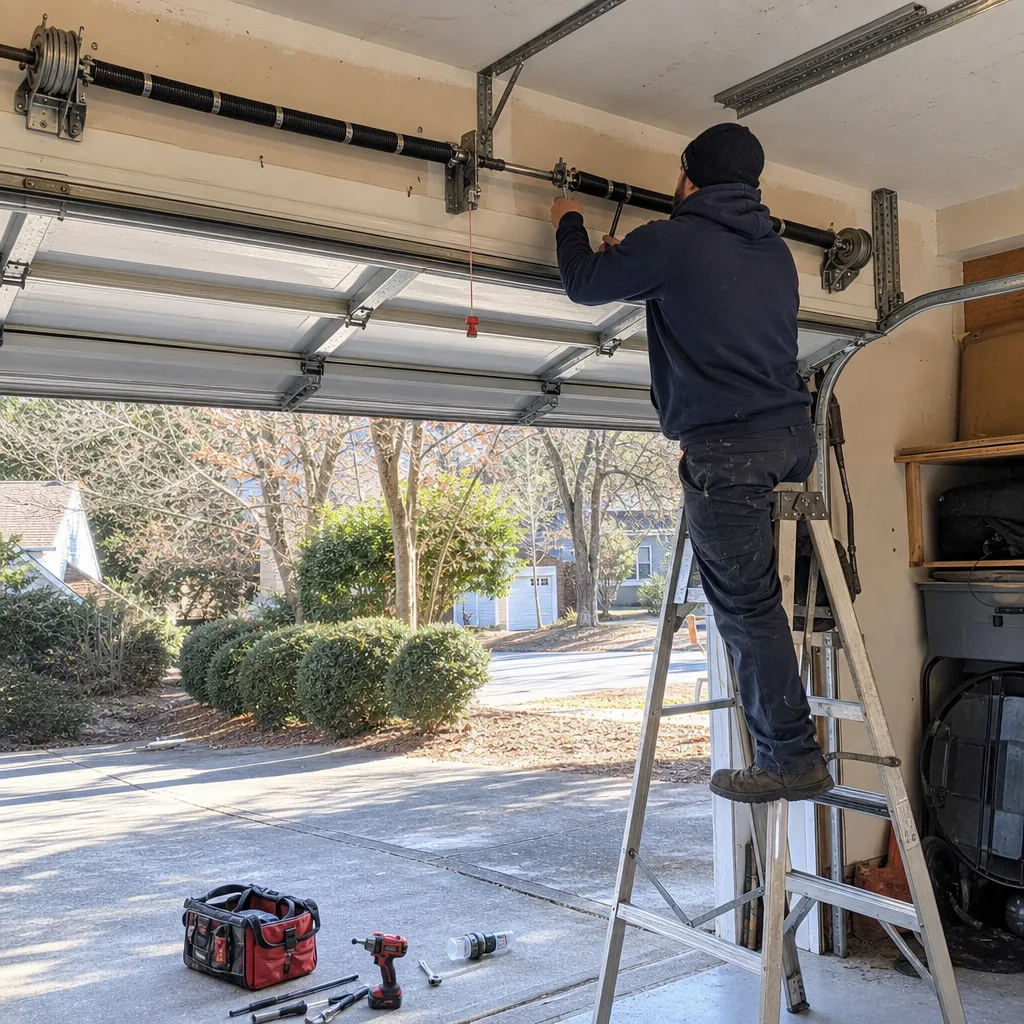
Torsion Spring Visual Inspection
- Look for a gap in the coil. A broken torsion spring separates into two pieces with a visible gap between the coils.
- Look for rust at the coil ends. Sandy Springs humidity rusts springs that are not periodically wiped down. Surface rust is not an immediate problem, but pitting rust weakens the wire.
- Do not touch the springs. The energy stored in a wound torsion spring can cause serious injury. Inspection is visual only. Replacement is for professionals only.
Cable Inspection Before the Freeze
Lifting cables fail in two ways. The first is fraying, where individual wire strands break and the cable develops a fuzzy appearance. The second is failure at the bottom bracket, where the cable loops through the steel fitting attached to the bottom panel. This point is under constant tension and is the most common fracture site. Inspect each cable from top to bottom, looking for any broken strands or discoloration near the bottom bracket. If you see fraying, schedule replacement before the freeze window. A cable failure with the door open causes the door to fall, and a falling garage door is dangerous.
Battery Backup Confirmation
If your opener is a LiftMaster or Chamberlain with a battery backup unit, January is the month to verify the battery works. The test is simple: unplug the opener from the wall outlet, then operate the door once. If the opener operates normally on battery, the unit is functioning. If the opener does not respond, or the battery indicator light is red, replace the battery. Homeowners with Genie openers that have an integrated backup should consult the manual for the test procedure. Power outages during winter storms are common in Sandy Springs, and a working battery backup means the difference between operating the door normally and disconnecting the opener to lift the door by hand in freezing weather.
Summer Thermal Expansion and Track Clearance
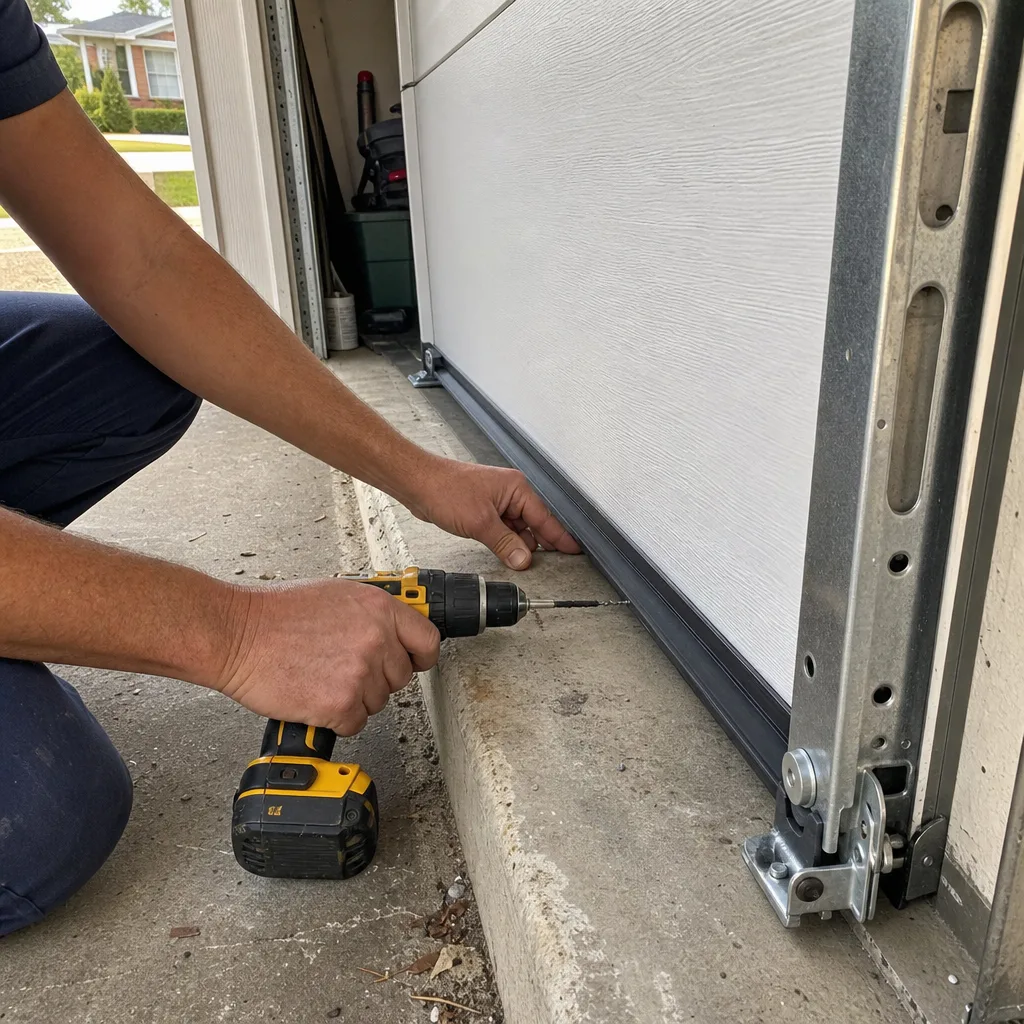
Steel garage door panels expand when heated. On a July afternoon in Sandy Springs, when outside temperatures climb into the high 90s and direct sunlight hits a west-facing door, the surface of the steel can reach 140 degrees. A 16-foot steel panel expands by a measurable fraction of an inch under these conditions. Most garage door installations account for this expansion by leaving a small gap between the door edge and the vertical track. Over time, however, track fasteners can shift, hinges can wear, and the clearance can close.
Summer Binding vs. Winter Binding
These are two different problems with different causes. Summer binding occurs when the door expands in the heat and the edge of the door panel contacts the vertical track. This typically appears as scraping or hesitation during the hottest hours of the day, and the door returns to smooth operation in the evening. Winter binding is the opposite problem: cold contracts the metal hardware, and components that were already tight become tighter, or rollers bind on the track due to lack of lubrication. Summer binding is a clearance problem. Winter binding is a friction problem.
Diagnosing the Cause
- Operate the door at two different times. Run the door in the morning before the sun hits it, and again in the mid-afternoon. If the door scrapes only in the afternoon, you are likely dealing with thermal expansion.
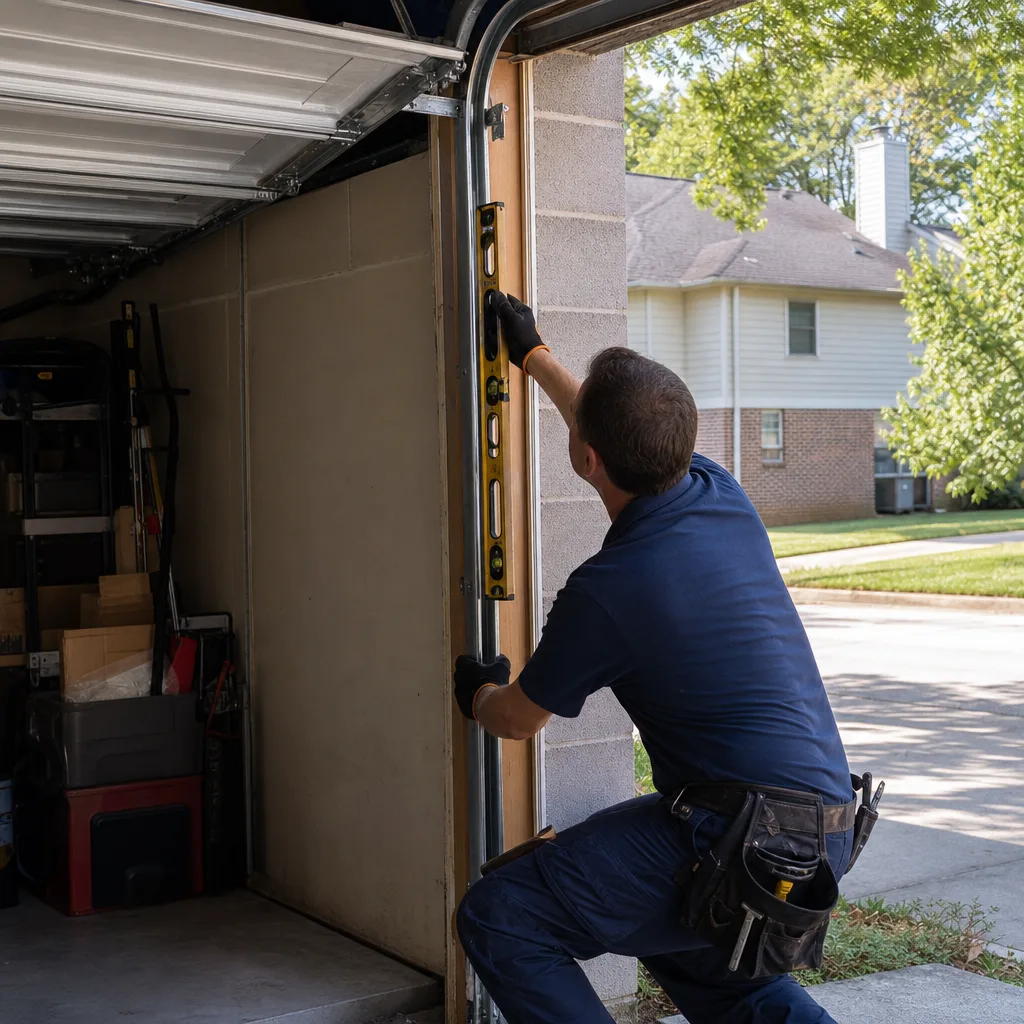
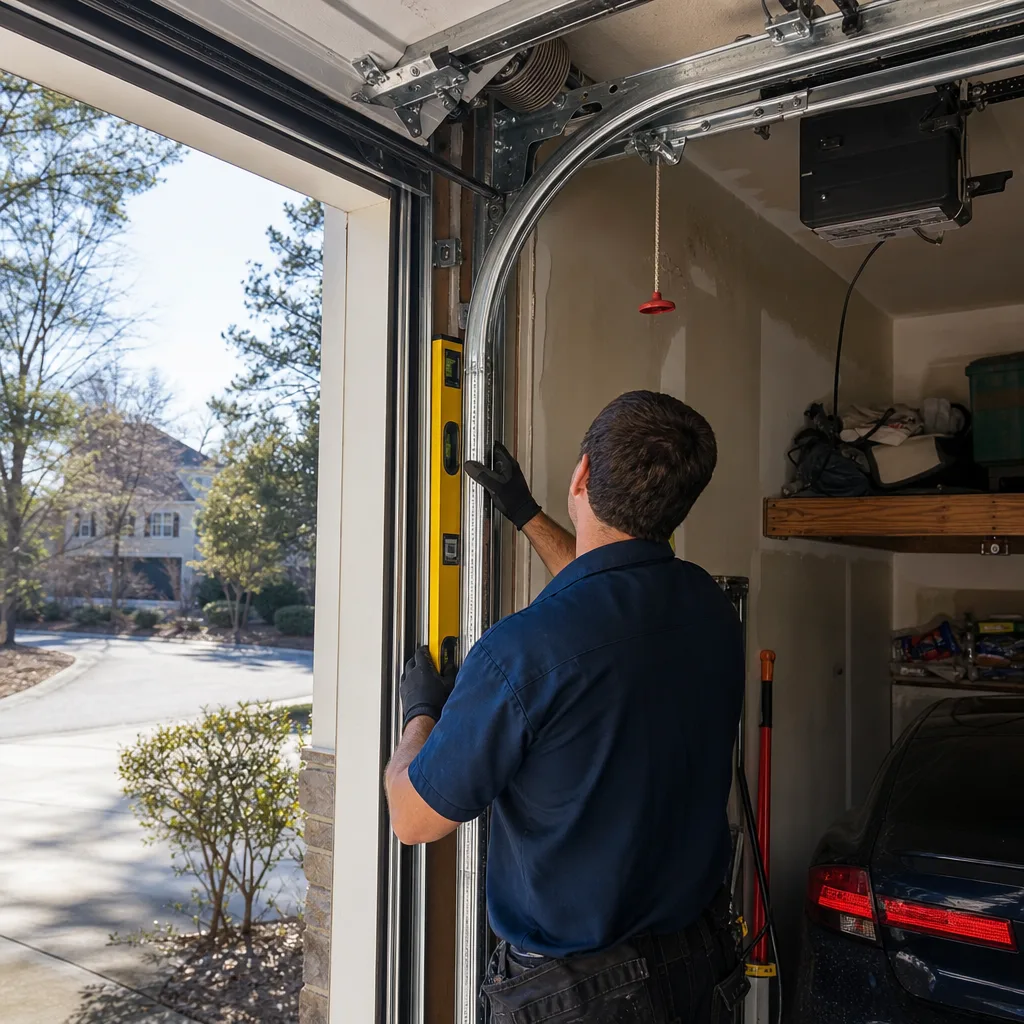
- Measure the gap. With the door closed, check the gap between the door edge and the vertical track on both sides. A properly installed door has a consistent gap of about 1/8 to 1/4 inch on each side. If the gap is visibly smaller on one side, or the door edge touches the track, the track needs adjustment.
- Check the roller condition. Worn rollers have play in their stems, which allows the door to shift laterally and contact the track. If the rollers are more than seven years old and show visible wear on the wheel, replacement is likely overdue.
What You Can Do
If the track bolts have loosened, tightening them may restore proper clearance. This is a homeowner-accessible task: the track bolts are visible along the vertical rails, and a socket wrench is all that is required. Tighten bolts that are loose, but do not overtighten. The track is designed to have slight flexibility. If the track itself is bent or the door edge is making contact, call a professional. Track adjustment and roller replacement involve working under a door that weighs 150 to 400 pounds, and the wrong adjustment can cause the door to come off the track.
For homeowners in Sandy Springs who need this addressed, garage door repair in Sandy Springs is our core service, and we handle summer binding issues throughout the metro area every year.
Common Mistakes to Avoid
- Using WD-40 or petroleum-based lubricants. This is the single most common mistake we see in Sandy Springs. Petroleum-based products attract the red clay dust that coats every surface in north Atlanta, creating an abrasive paste that accelerates wear. Use dry silicone or PTFE spray only.
- Lubricating the track rails. The rollers need to roll, not slide. Grease on the track causes the rollers to slide, which flattens the roller wheels and increases noise. Keep the tracks clean and dry.
- Skipping the visual spring inspection before the freeze window. Every January in Sandy Springs, we replace torsion springs that failed during a cold snap. Many of these failures showed visible warning signs in the months prior, but no one looked. The inspection takes 30 seconds and requires no tools.
- Ignoring seasonal seal compression loss. A bottom weather seal that looked fine in March may be flattened and ineffective by August. This is a Sandy Springs-specific problem caused by the combination of heat and humidity. Inspect the seal in August, not just in spring.
- Attempting to repair a torsion spring or cable without training. Torsion springs store enough energy to cause serious injury or death. Lifting cables are under constant tension. These are professional-only repairs, full stop.
- Assuming a noisy door is normal. A garage door in good condition is not loud. Grinding, scraping, popping, or thumping sounds all indicate specific problems, and each is cheaper to fix before it becomes a failure.
- Operating the door with a broken spring. When a spring breaks, the door may still open with the opener, but the opener is now lifting the full weight of the door. Continued operation will destroy the opener motor and can cause the door to fall. If the spring is broken, stop using the door and call a professional.
When to Call a Professional
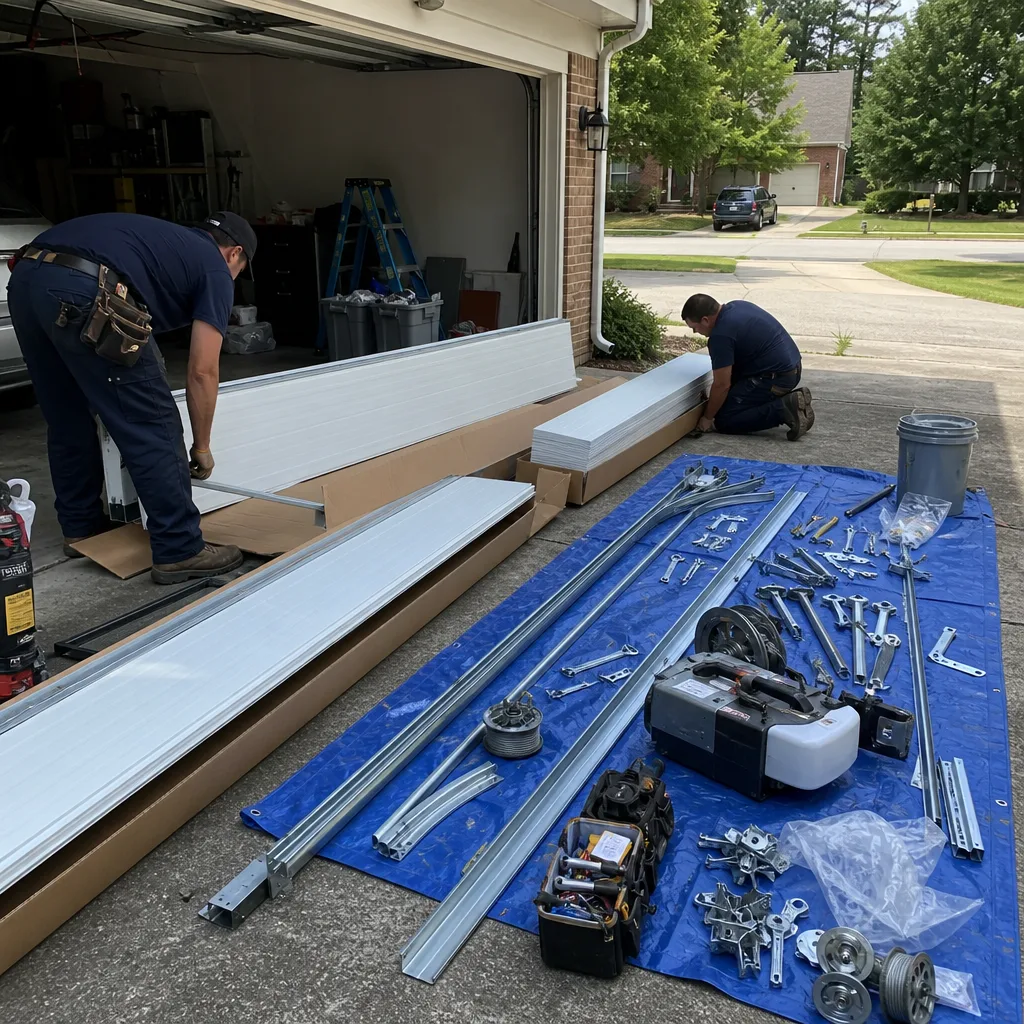
Most of the tasks in this guide are homeowner-accessible. A visual inspection of springs and cables requires no tools. Lubrication takes 15 minutes. Bottom seal replacement takes under an hour. But some situations require training and equipment. A broken torsion spring is the clearest example: the energy stored in a wound spring can cause serious injury, and the correct replacement spring must be matched to the door’s weight and height. The same is true for frayed lifting cables and doors that have come off the track. Servo Garage Doors Sandy Springs has served homeowners in this area since 2015, and every job starts with a flat, written price and a written scope before any work begins, per Clause 1 of The Haven Standard. You see the failed part in photos before anyone quotes a replacement. That is Clause 4, and it is the rule we built the company on. For a free estimate in Sandy Springs, call (470) 944-6743.
Frequently Asked Questions
Four times per year is sufficient: January, April, July, and October. Use a dry silicone or PTFE spray. Avoid petroleum-based lubricants, which attract the fine red clay dust that is common in north Atlanta and turn into an abrasive paste on rollers and hinges. For additional guidance on maintenance serving Sandy Springs homeowners, we have written documentation on repair and installation practices as well.
A standard garage door tune-up, which includes lubrication, roller inspection, balance check, and safety sensor alignment, typically costs $85 to $150 in Sandy Springs. For a full breakdown of what drives these numbers, see Garage Door Cost Breakdown: The Sandy Springs Homeowner’s Reference for 2026. The price varies by door type and whether parts are needed. Every Servo job is quoted with a flat, written price before any work starts. There is no “call for a quote” with us. The price on the page is the estimate, and the written scope is what you approve before we touch the door.
Yes. Bottom weather seal replacement is a 30-to-60-minute job that requires no special tools. The seal slides into a retainer channel along the bottom of the door, and dish soap diluted with water works as a lubricant for the install. The important step is buying the correct seal profile for your door brand. Clopay, Amarr, and Wayne Dalton use slightly different profiles, and the wrong one will not fit properly. If the retainer channel itself is damaged, call a professional.
Steel door panels expand in heat, and on a July afternoon in Sandy Springs the panel can grow enough to contact the vertical track. This is thermal expansion, and it is normal physics, not a defect. Properly installed doors have a small clearance gap to accommodate expansion. If the scraping is new, the track may have shifted or the rollers may be worn. Call (470) 944-6743 for a free estimate and we will diagnose it, photograph what we find, and quote a written price before any work starts.
Torsion spring replacement in Sandy Springs typically costs $180 to $340 per spring, including the spring and labor. Most doors have either one or two springs, so a full replacement typically runs $180 to $680. The price varies by the wire gauge, spring length, and door weight. Some companies quote low and then add fees after seeing the door. We do not. Our price is flat and written before work begins, and we photograph the failed spring so you can see exactly what broke.
For spring breaks, cable failures, and emergency repairs, yes, we carry the most common torsion springs and cable assemblies on the truck and can typically complete the repair the same day in Sandy Springs. For new door installations, the door must be measured and ordered, so same-day installation is not possible. We provide a free measure, a written price, and a scheduled installation date. Emergency calls are answered by a live person 24/7 at (470) 944-6743. Call for an exact quote, and estimates are free.
The Bottom Line
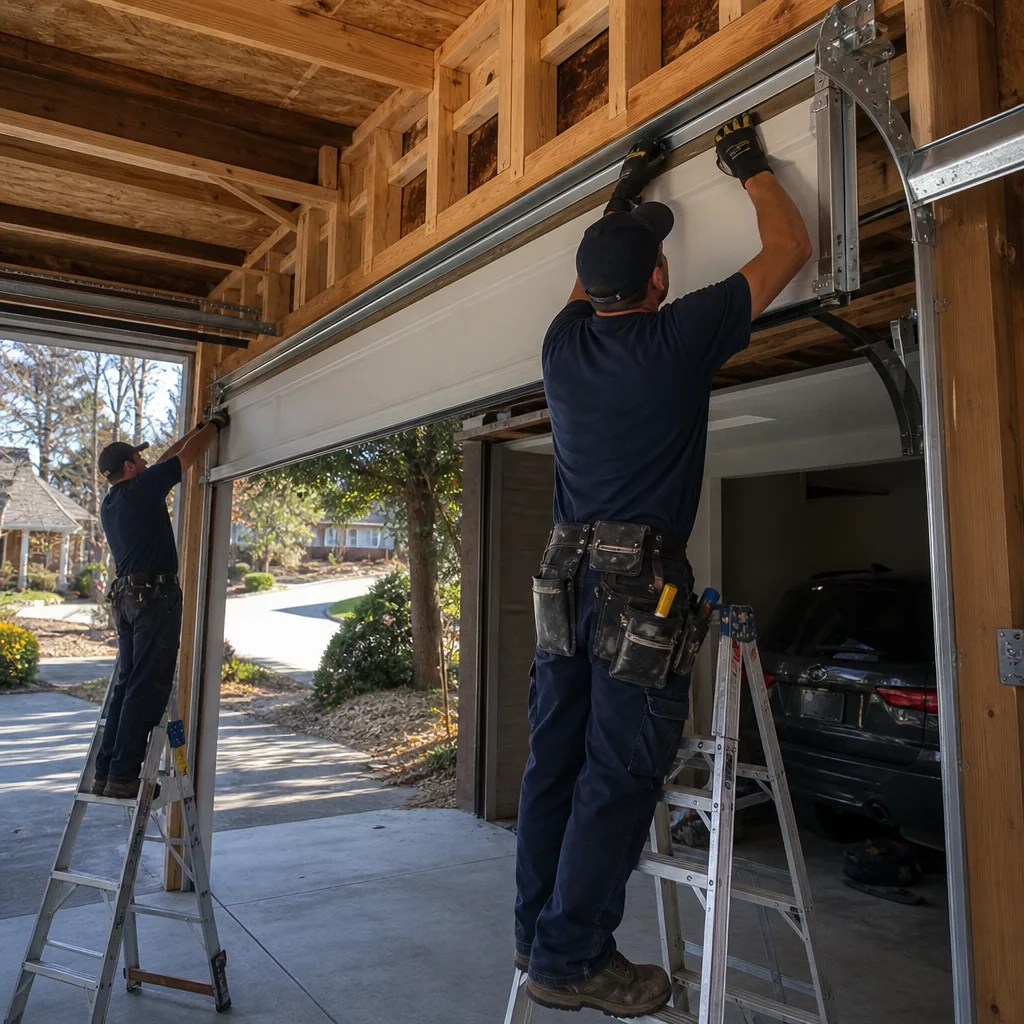
Seasonal garage door care in Sandy Springs is not complicated, but it is specific. The climate here produces one long humid season that degrades seals and paint, one brief freeze window that breaks weakened springs, and two transition periods where accumulated problems become visible. The highest-impact homeowner tasks are using the correct dry lubricant instead of petroleum-based products, inspecting the bottom weather seal in August when compression loss is worst, and checking springs and cables before January. Budget two to three hours per year. Inspect visually. Replace seals when they stop compressing. And when a spring breaks or a cable frays, never repair it yourself. Call a professional who shows you the evidence before quoting the price. Servo Garage Doors Sandy Springs has operated under that standard since 2015, and it is written into every job we do.
Written by Marcus Deller, Owner at Servo Garage Doors Sandy Springs, serving Sandy Springs since 2015.