
Last updated September 20, 2026
Full 25-point door and opener safety check with every visit - springs, cables, rollers, tracks, and your LiftMaster or Chamberlain opener included
You get a price before we start. It does not change when the truck arrives.
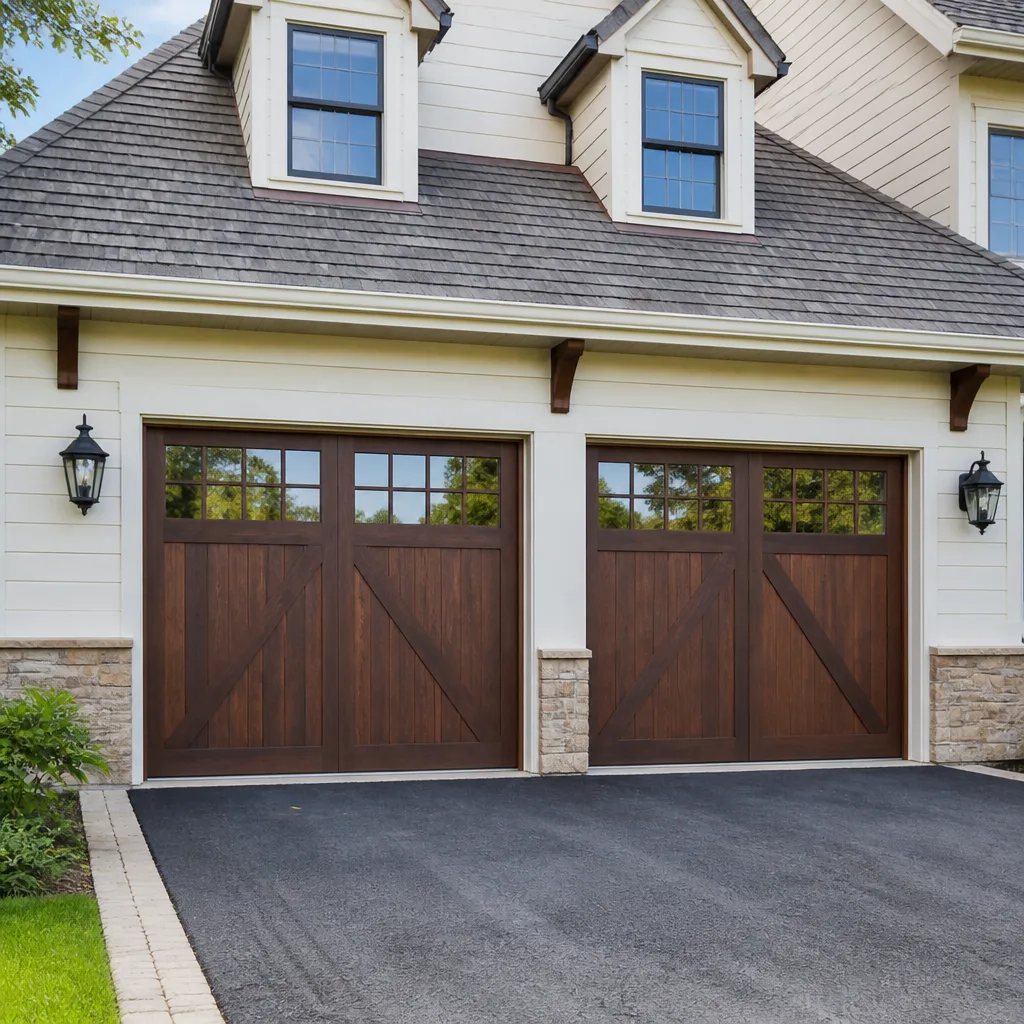
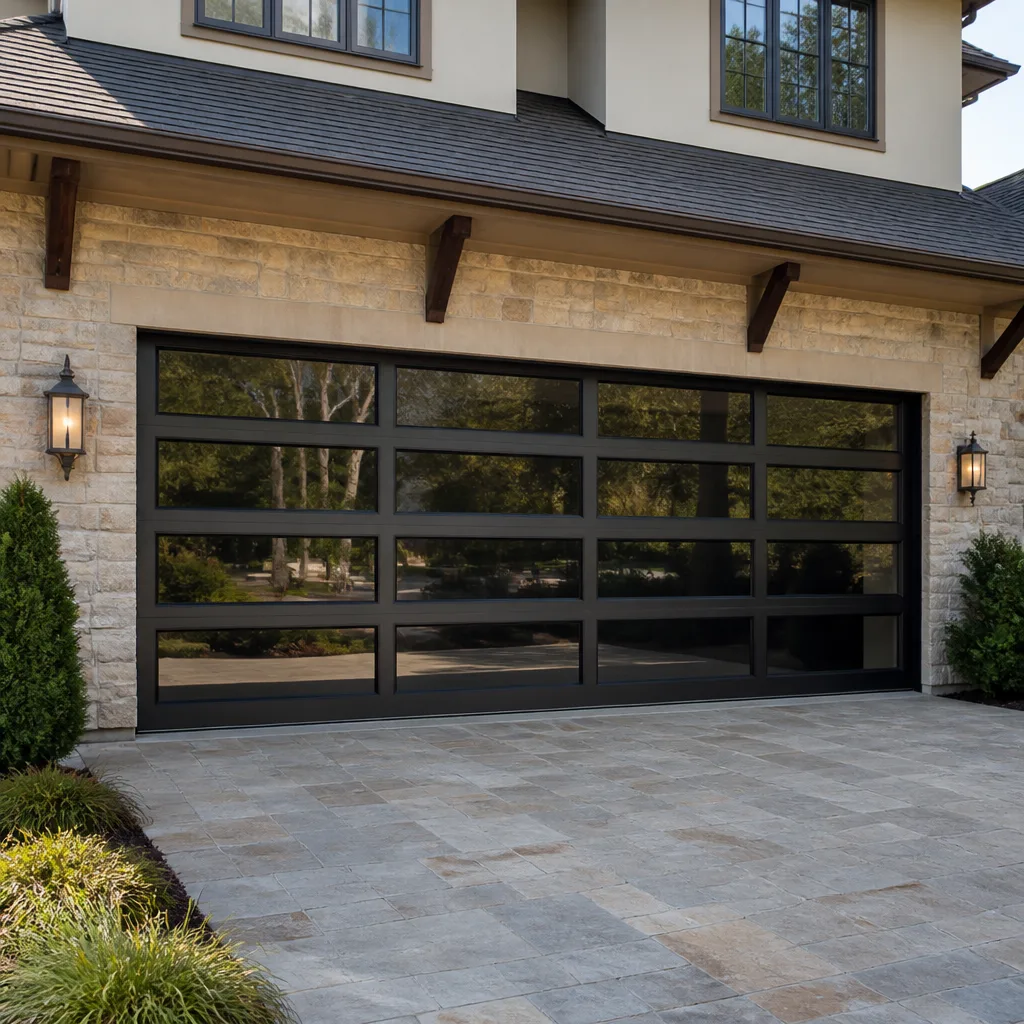
Modern flush
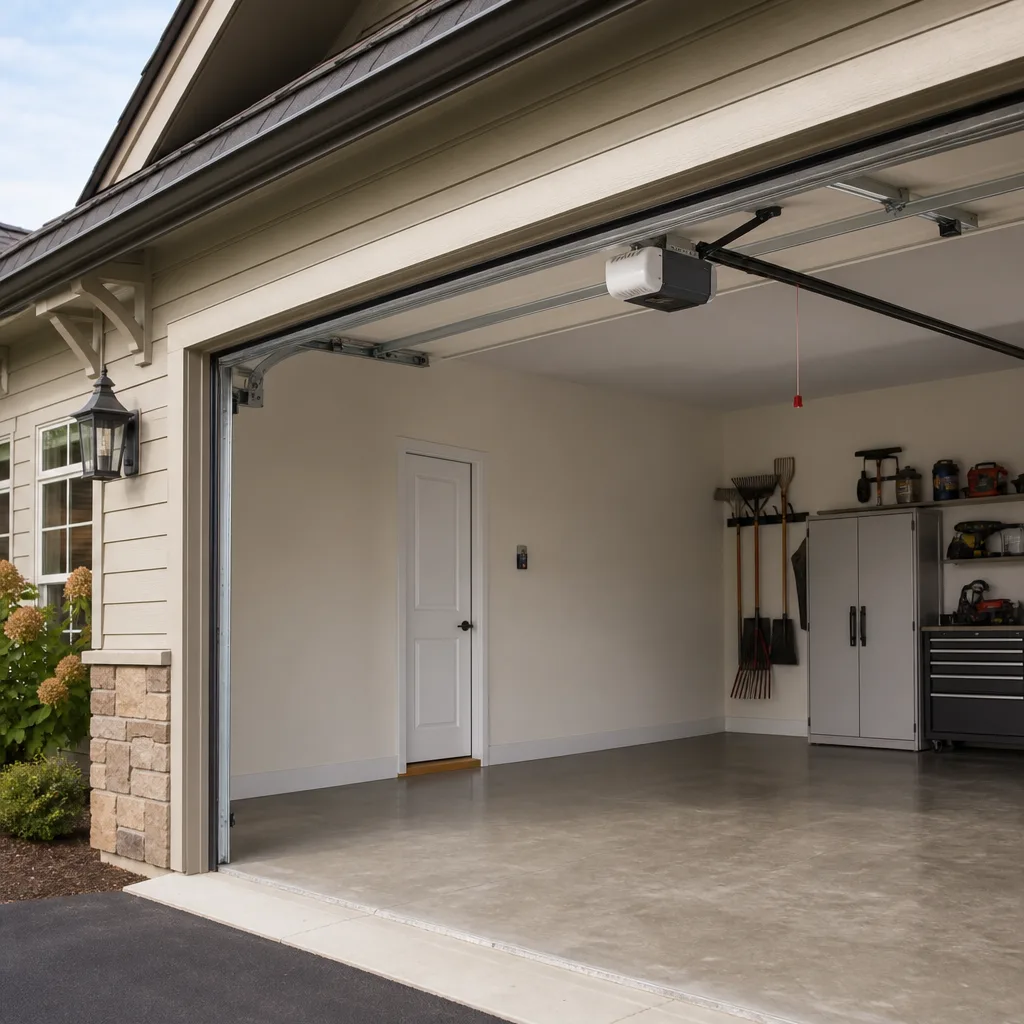
LiftMaster openers
 Before
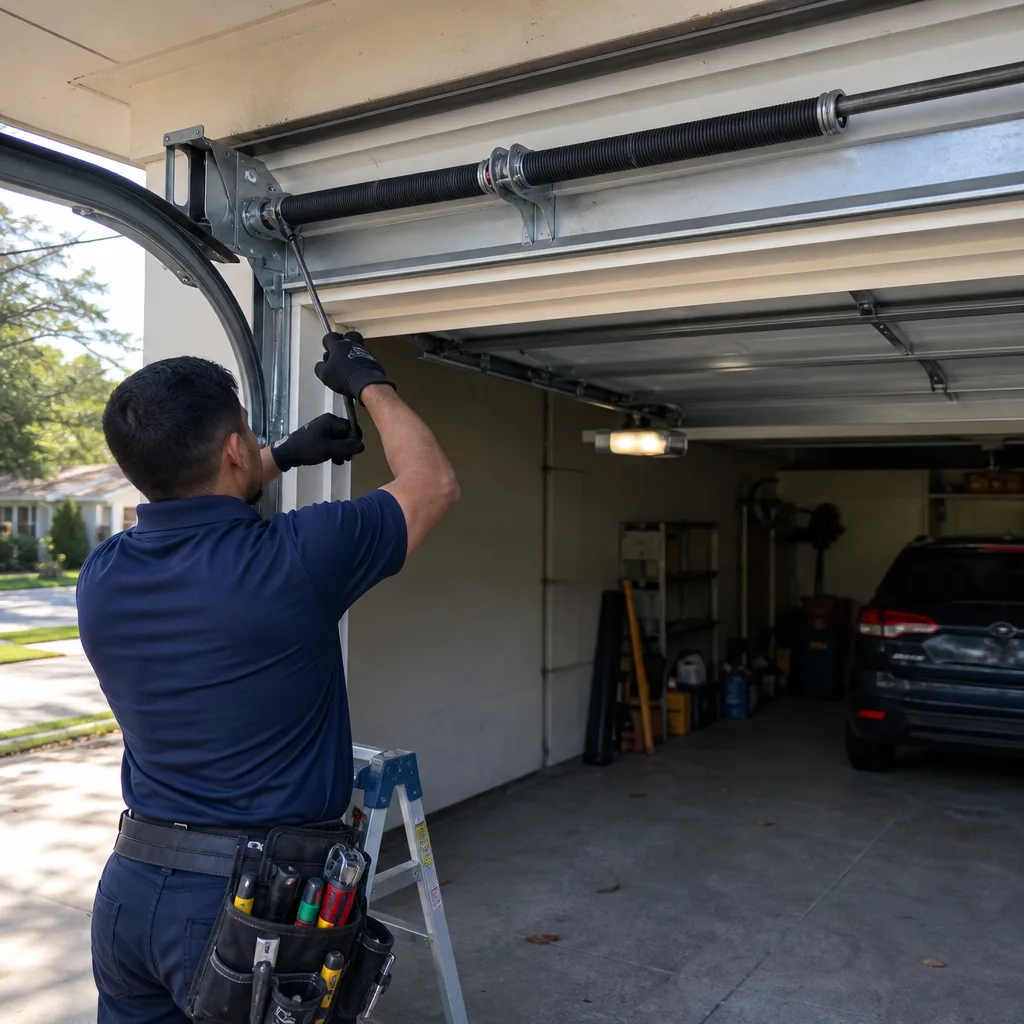 After
After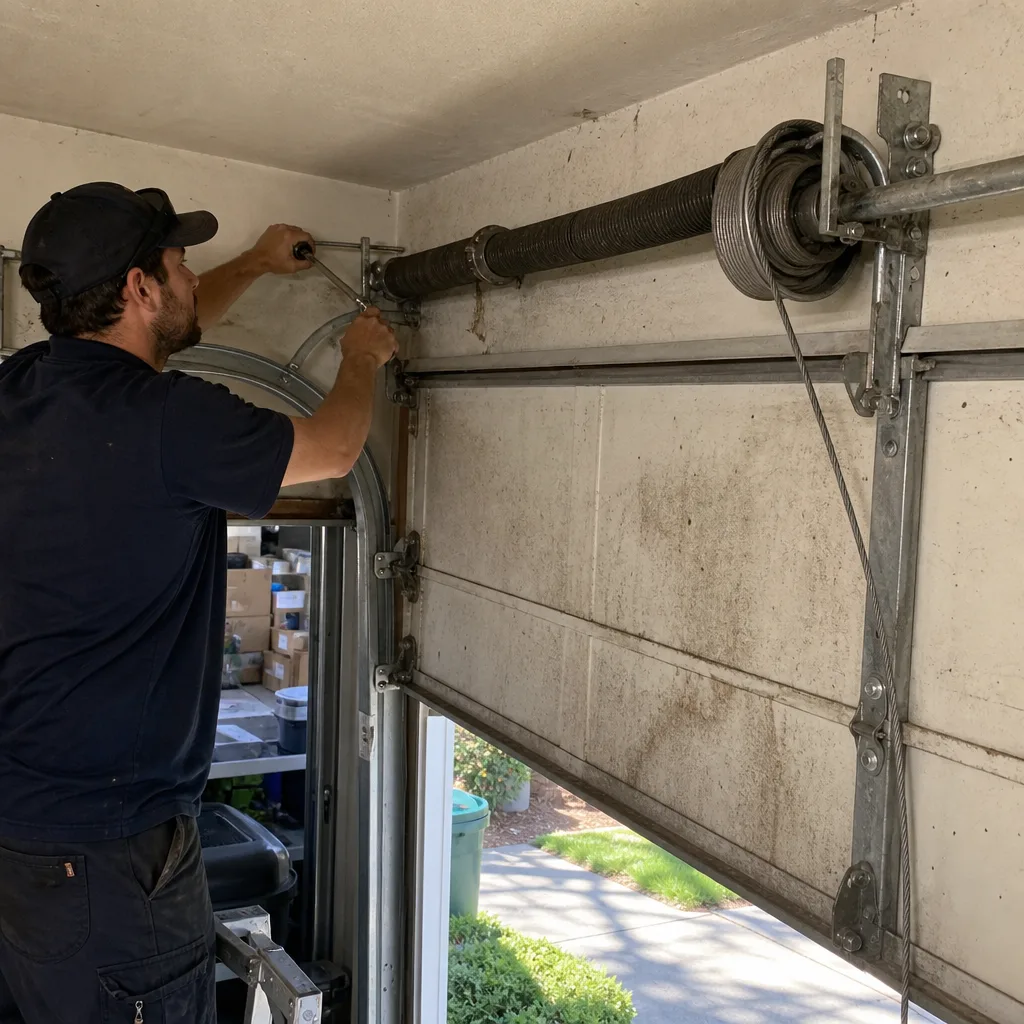 Before
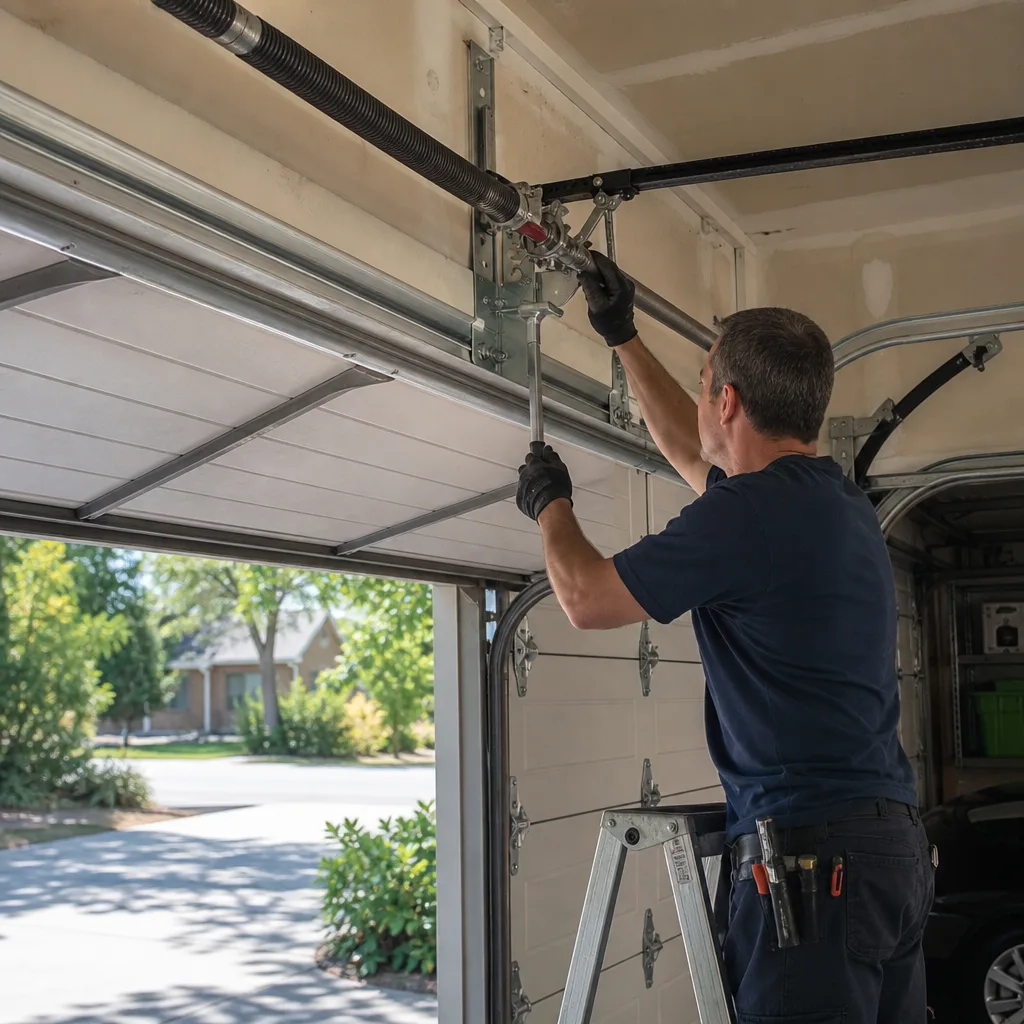 After
After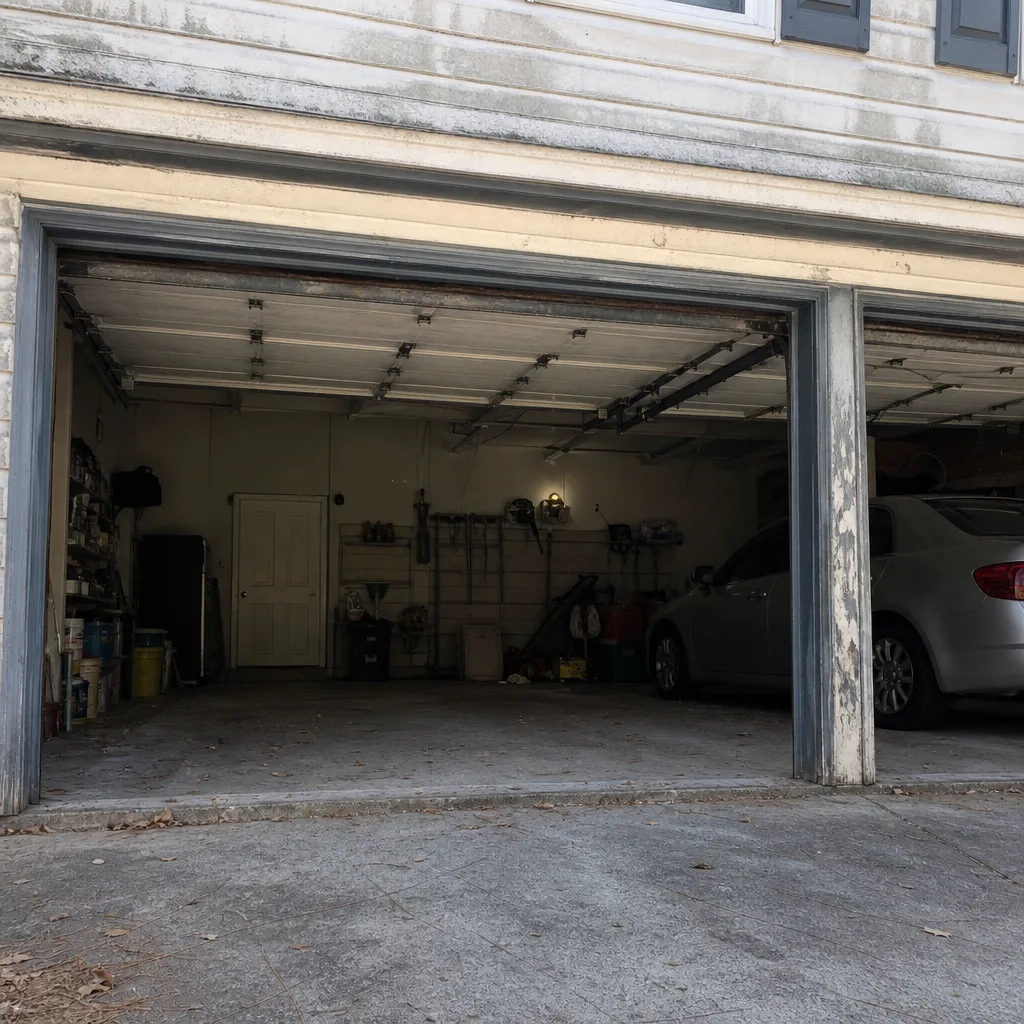 Before
 After
AfterGarage Door Permits, Codes & Inspections in GA: What You Need to Know
A new garage door panel rarely needs a permit in Georgia. A new garage door opener that requires cutting into a structural header almost always does. The line between those two projects is thinner than most contractors disclose upfront, and Sandy Springs homeowners who skip the paperwork on a “simple” upgrade can discover the problem years later when a title search turns up unpermitted structural work. This guide maps the actual trigger points in Georgia code, Fulton County enforcement, and City of Sandy Springs requirements so you know what to ask before the crew arrives with tools. For related reading, see our Garage Door Warning Signs: A Sandy Springs Homeowner’s Reference Guide.
Quick Answer
In Georgia, like-for-like garage door replacement (same size opening, no structural changes) does not require a building permit in most municipalities, including Sandy Springs and unincorporated Fulton County. A permit is required when the project modifies the structural opening, adds a new opening, changes load-bearing framing, or installs certain types of electrical work. Permit costs for garage door work in Sandy Springs typically run $50 to $150 depending on project valuation, and the inspection sequence follows a standard rough-in, final, and sometimes electrical path.
Table of Contents
- When a Garage Door Permit Is Required in Georgia
- What Counts as Exempt Like-for-Like Replacement
- Wind Load Ratings and the Georgia Residential Code
- How to Check Permit History Before Hiring a Contractor
- The Inspection Sequence: What the Inspector Checks and In What Order
- What Unpermitted Garage Door Work Does to Insurance and Title
- Sandy Springs Specifics: Local Amendments and Enforcement
- Common Mistakes to Avoid
- When to Call a Professional
- Frequently Asked Questions
- The Bottom Line
BeforeAfterWhen a Garage Door Permit Is Required in Georgia
Georgia adopts the International Residential Code (IRC) as its base residential building code, with local amendments layered on top by each city and county. Under the IRC, a building permit is required for any work that alters the structural components of a dwelling: load-bearing walls, headers, footings, and the building envelope. A garage door sits directly in that envelope, and the header above it carries the weight of the wall, roof, and any second-story load. That header is the single most important variable in the permit question.
The trigger is not the door. The trigger is what happens to the opening. If the door is removed and a new one of the same nominal size goes into the same rough opening with the same header intact, no permit is required in Sandy Springs or Fulton County. If the rough opening changes at all, even by two inches, a permit is required because the header, king studs, and trimmer studs must be recalculated and re-engineered for the new span.
Here is the working list of project types that trigger a permit in Georgia:
- Changing the garage door opening size: widening, heightening, or narrowing the rough opening. Any modification to the header span requires an engineer’s letter or prescriptive code compliance and a building permit.
- Converting a single door to a double door: this almost always means removing a center post and installing a longer header. The post may or may not be structural, but the city will want to verify that before you proceed.
- Adding a new garage door where none existed: cutting a new opening in an exterior wall is a structural modification requiring a permit, full framing inspection, and possibly a zoning review in Sandy Springs.
- Replacing a load-bearing header due to rot, termite damage, or deflection: even if the door size stays the same, if you are touching the header, you need a permit and an inspection.
- Installing a new dedicated electrical circuit for a garage door opener: if the opener requires a new circuit run from the panel rather than using an existing outlet, the electrical work requires a separate electrical permit under the National Electrical Code.
What surprises most homeowners is how short that list actually is. The vast majority of garage door repairs and replacements in Sandy Springs fall outside it. But the projects on the list are exactly the ones where unpermitted work creates the most expensive problems later, because structural modifications without a paper trail are what title companies and insurance adjusters flag first.
What Counts as Exempt Like-for-Like Replacement
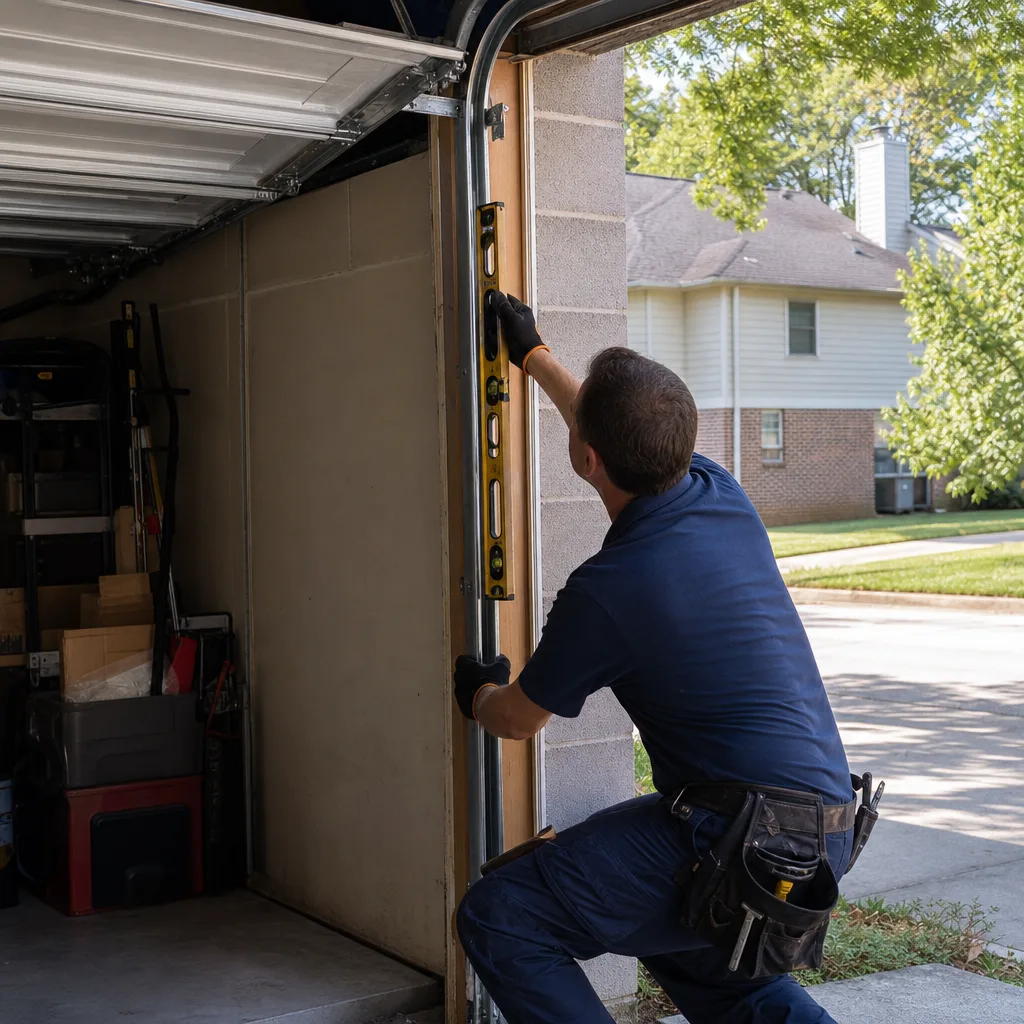
Georgia’s permit exemptions for like-for-like replacement are grounded in the IRC’s administrative chapter and reinforced by local ordinance. The logic is simple: if the work does not alter structure, does not change the building envelope, and does not introduce new electrical load, the municipality has no safety interest in inspecting it. This is the category where most Sandy Springs garage door projects live.
Exempt work includes:
- Replacing a garage door panel or entire door with the same nominal size: the key phrase is “same rough opening.” A 16×7 door replacing a 16×7 door, with the existing header untouched, is exempt.
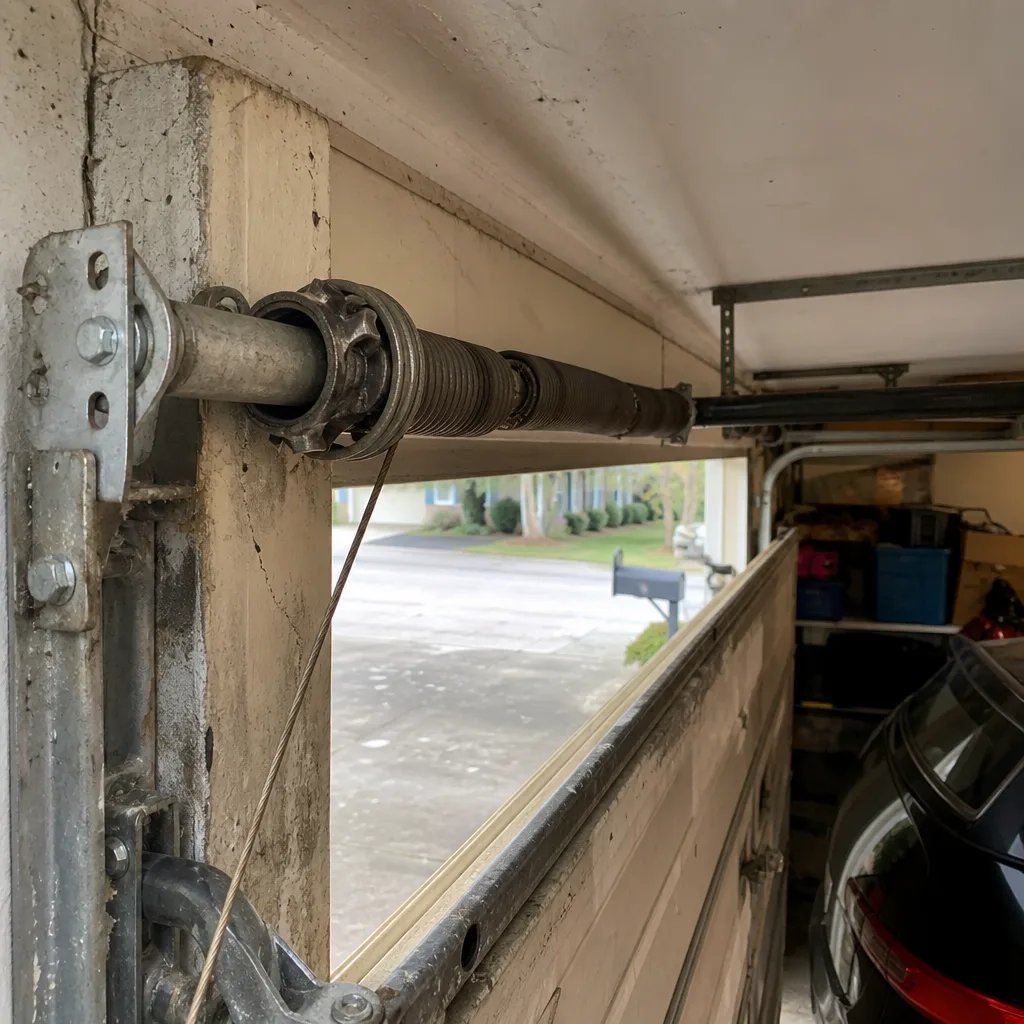
- Replacing torsion springs, cables, rollers, hinges, and track: these are wear parts and hardware. No permit is required because the structural opening is unchanged and the work is classified as repair, not alteration.
- Replacing a garage door opener with a new opener on an existing circuit: swapping a LiftMaster for a Genie or a Chamberlain on the same outlet requires no permit. The electrical load is comparable and the circuit is already approved.
- Replacing weatherstripping, seals, and insulation panels: these are maintenance items with no structural or electrical dimension.
- Replacing a garage door window insert or glazing: as long as the door structure itself is not modified, this is exempt.
One nuance worth understanding: “like-for-like” means dimensionally identical, not visually identical. You can replace a steel Wayne Dalton door with an insulated carriage-house style Amarr door of the same rough opening dimensions without a permit. The city does not regulate door aesthetics. It regulates structure, envelope, and electricity.
The second nuance: if a contractor tells you they “always pull a permit” for garage door work, that is either a misunderstanding of the code or a way to pad the invoice. In Sandy Springs, a standard like-for-like door replacement does not need one. The exception is when the contractor discovers during removal that the header is compromised, at which point the scope changes and the permit conversation begins.
Wind Load Ratings and the Georgia Residential Code
Sandy Springs sits in a wind zone that Georgia’s amendments to the IRC define specifically. The 2020 Georgia State Minimum Standard Residential Code, which the City of Sandy Springs has adopted with local amendments, requires garage doors to meet a design wind pressure rating based on the home’s location and exposure category. For most of Fulton County, that rating is a positive and negative design pressure in the range of 25 to 35 pounds per square foot (psf), depending on whether the home sits in an open exposure, a suburban exposure, or a sheltered exposure.
Why this matters: a garage door is the largest single opening in most homes, and under high wind it acts like a sail. If the door fails inward during a storm, the pressure differential between inside and outside can lift the roof deck. That failure mode is well documented in coastal Georgia, but it applies in inland wind events too, including the straight-line wind and tornado activity Sandy Springs experiences each spring.
The code requirement impacts three things:
- Door selection: the door you install must carry a label or manufacturer’s documentation showing compliance with the required design pressure for your exposure category. Most major brands, including Amarr, Wayne Dalton, and Clopay, publish wind load tables for each model and size. The installer should be able to produce this documentation before the door goes in.
- Track and mounting hardware: wind-rated doors require heavier gauge track and specific fastening schedules into the jambs and header. The inspector checks this during a permitted installation. On an exempt replacement, the burden is on the installer to do it correctly without an inspection backstop.
- Homes built before 2000: many Sandy Springs homes built in the 1970s through 1990s were constructed before Georgia’s wind load provisions were meaningfully enforced. If you are replacing a door on a pre-2000 home, the existing opening may not meet current fastening requirements. A conscientious contractor will flag this before quoting, because installing a wind-rated door onto an under-fastened opening produces a false sense of security.
This is also one of the areas where cheapest bid tends to win and code compliance quietly disappears. A door that meets the aesthetic brief but lacks the wind load documentation is not a compliant installation in Sandy Springs, even if no permit was required. When we photograph the failed component before quoting a replacement, we also photograph the existing track gauge and fastener pattern, because that is the part of the job the homeowner never sees after the fact.
How to Check Permit History Before Hiring a Contractor
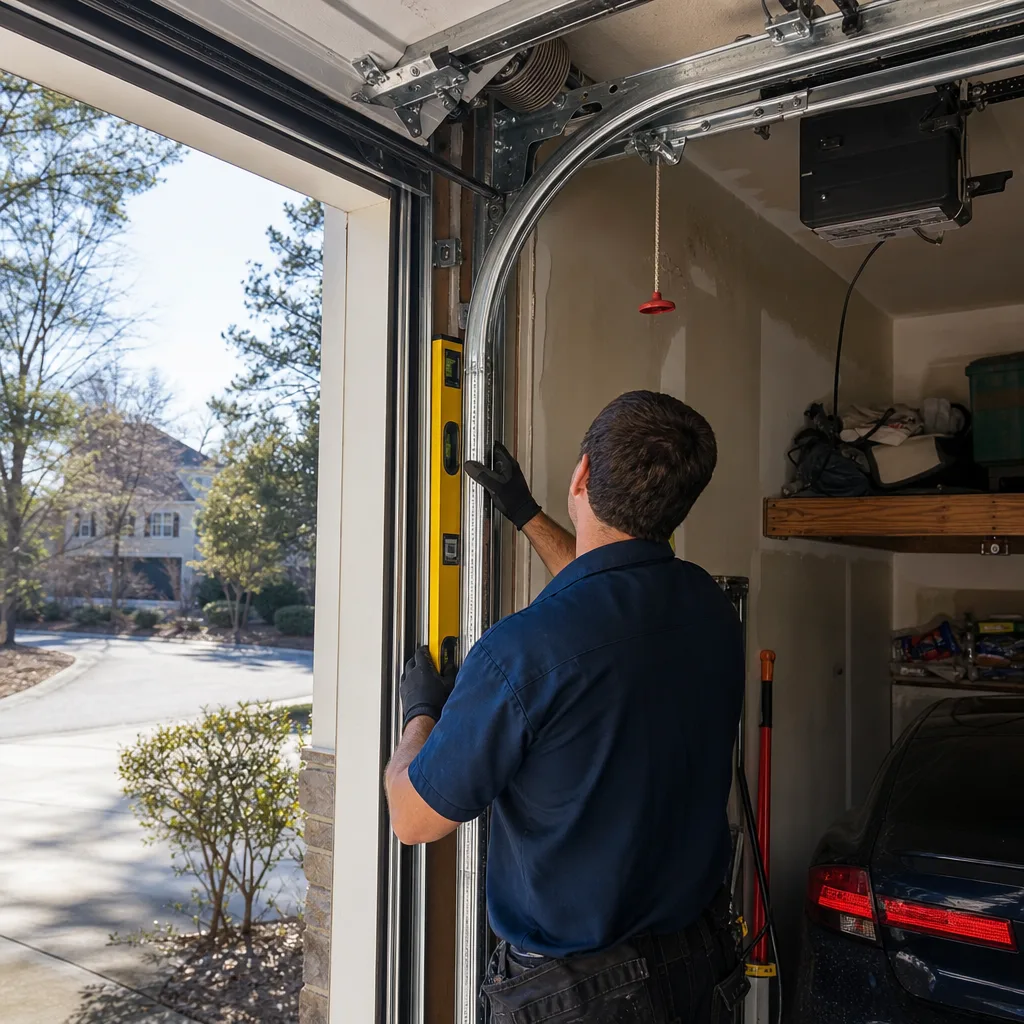
Before you hire anyone to touch your garage door, you should know what the City of Sandy Springs already has on file for your address-our How to Hire a Garage Door Contractor in Sandy Springs: A Step-by-Step Guide covers this in detail. This is a step almost no homeowner takes, and it is the one that catches unpermitted prior work before it becomes your problem at closing.
Sandy Springs operates its own permitting office through the Community Development Department. You can request a permit history search by address, either online through the city’s permitting portal or in person at the city offices on Roswell Road. The search returns every building permit, electrical permit, and mechanical permit issued for the property, along with their status: issued, inspections passed, finaled, or expired without final.
Here is the step-by-step:
- Locate your parcel ID or address in the city’s permitting portal. Sandy Springs uses the same parcel numbering system as Fulton County, so your county property record will match the city’s system.
- Request the full permit history for the address. Some records are available online; older records, especially pre-2010, may require a written request or a records search fee, typically under $25.
- Look for garage-related permits specifically. You are checking for any permit referencing a garage door, garage opening, structural alteration, or header replacement. If the property is newer than 2005, the original building permit for the home should also reference the garage door installation as part of the original scope.
- Check the status of each permit. A permit that was issued but never finaled is a red flag. It means the work may have been done but never inspected, or the inspector found issues that were never resolved.
- Compare against what you see. If the home has a double garage door but the permit history only ever shows a single door, or if the door appears newer than the surrounding structure but no permit exists, you are looking at unpermitted work.
An unpermitted prior installation looks like this on the record: a permit was pulled for “garage door replacement” but the final inspection was never scheduled; or no permit exists at all for a door that the county property appraiser’s record shows as a two-car garage; or an electrical permit was issued for an opener but the rough-in inspection was failed and never re-inspected. Each of these scenarios tells a different story, and none of them should prevent you from proceeding, but all of them should change how you proceed.
If you find unpermitted prior work, the remedy in Sandy Springs is usually an “after-the-fact” permit. The city will inspect the completed work, determine whether it meets code, and issue a permit retroactively if it does. If it does not meet code, you will be required to bring it into compliance. That is a cost you want to know about before you buy the house or before you pour money into a new door on top of a non-compliant opening.
The Inspection Sequence: What the Inspector Checks and In What Order
When a garage door project in Sandy Springs does require a permit, the inspection follows a predictable sequence. Understanding that sequence before the work begins lets you plan the project timeline and, more importantly, lets you spot a contractor who is cutting corners before the city does.
Here is the order of operations for a permitted garage door installation in Sandy Springs:
- Framing inspection (rough-in): this happens after the old door is removed and the rough opening is exposed, but before the new door is installed. The inspector verifies the header size, king stud and trimmer stud configuration, and the load path from header to foundation. On a job where the opening size changed, this is the make-or-break inspection. If it fails, the contractor must correct the framing before proceeding.
- Electrical rough-in inspection (if applicable): if a new circuit or outlet is being installed for the opener, the electrical rough-in happens after the wiring is run but before the drywall or junction box cover is installed. The inspector checks wire gauge, circuit protection, and outlet placement relative to the door’s travel path.
- Fastening and anchorage check: this is often combined with the rough-in. The inspector verifies that the track mounting points follow the manufacturer’s fastening schedule and the Georgia wind load requirements. On a wind-rated door, this includes checking the fastener type, length, and spacing at the jambs and header.
- Final inspection: after the door, track, springs, opener, and safety sensors are installed, the final inspection clears the job. The inspector checks door balance manually, confirms the auto-reverse mechanism activates on both the mechanical sensor and the photoelectric eye, and confirms the door operates through a full cycle without binding. The manufacturer’s wind load documentation must be on site and available.
- Certificate of Occupancy or permit finalization: the final step is administrative. The permit is marked finaled, and the record closes. This is what the next buyer and their title company will see.
A note on timing: each inspection is scheduled through the city’s online portal, and in Sandy Springs the current lead time is typically two to five business days from request to site visit. A failed inspection adds another cycle, plus whatever remediation time the contractor needs. On a straightforward like-for-like replacement, none of this applies because no permit is required, which is why the permit question should be settled before any work starts.
What Unpermitted Garage Door Work Does to Insurance and Title
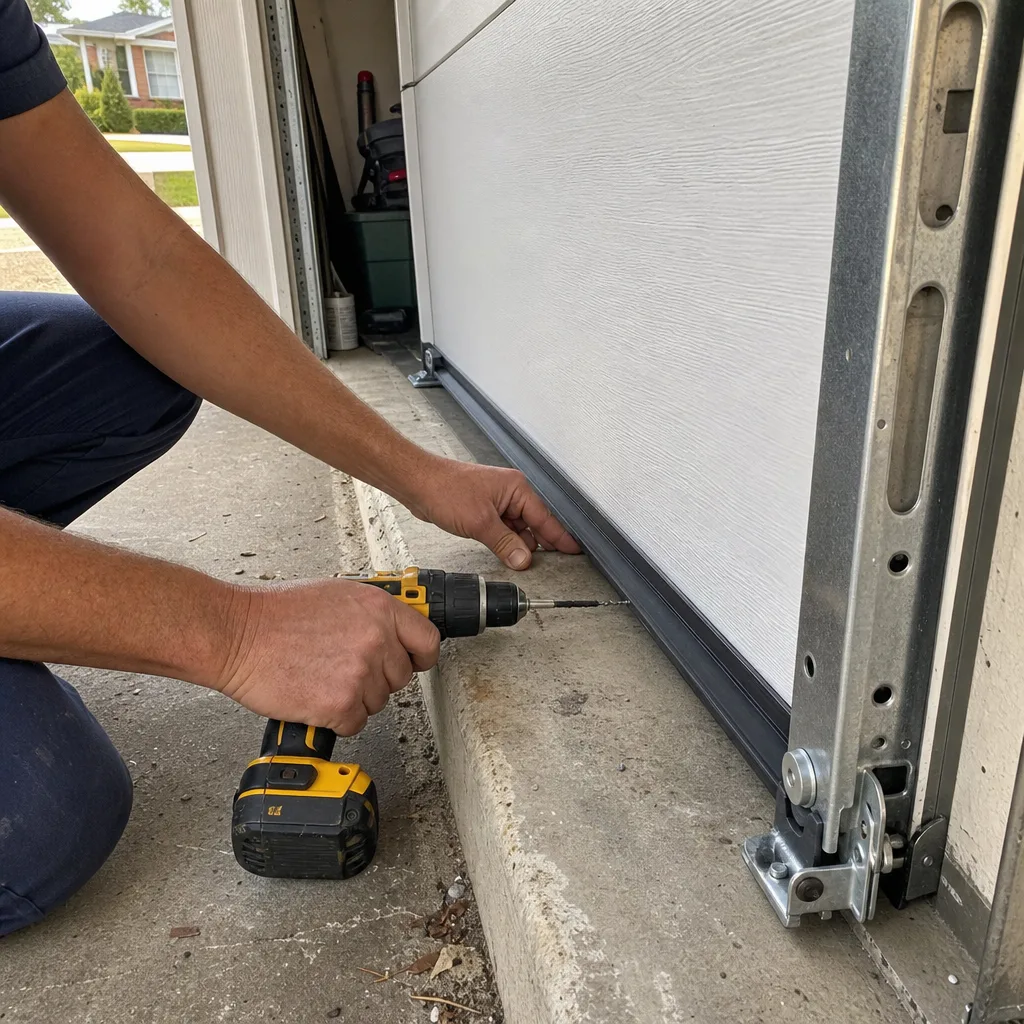
The reason unpermitted garage door work matters is rarely the fine. The fine in Sandy Springs for work done without a required permit is modest by comparison to what the absence of a permit does to the value and insurability of the home. The real cost surfaces years later, in two specific contexts: insurance claims and property sale disclosures.
On the insurance side, a garage door is part of the dwelling structure. If a permitted, finaled garage door installation is damaged in a storm, the insurance claim is straightforward: the structure was code-compliant, and the loss is covered. If the door was installed without a permit and the damage is traced to a structural failure, the insurer has a basis to deny the claim or reduce the payout. The argument they use is material misrepresentation or excluded non-permitted construction, and it holds up in Georgia courts more often than homeowners expect. This is especially relevant for wind damage claims, where the door’s design pressure rating is central to whether the failure was “covered storm damage” or “pre-existing non-compliance.”
On the title side, Georgia law requires sellers to disclose known unpermitted work on the Seller’s Property Disclosure Statement. If a prior owner modified a garage door opening without a permit, and you buy the home, and you then sell it without disclosing that work because you never knew about it, the buyer’s title search will usually find it. The resulting cloud on title can delay closing, force an after-the-fact permit, or give the buyer leverage to renegotiate. In Sandy Springs, where the real estate market moves fast and title work is thorough, this is not a theoretical risk.
The practical takeaway: the permit is not about the city’s bureaucracy. It is about the paper trail that protects you when something goes wrong. That is the same philosophy behind Clause 4 of The Haven Standard, the founding rule at Servo Garage Doors Sandy Springs home: the customer sees the failed component before anyone quotes a replacement. Paper trails protect people. Permits are a paper trail.
Sandy Springs Specifics: Local Amendments and Enforcement
Sandy Springs is not a generic Georgia jurisdiction. The city has its own permitting office, its own building officials, and its own set of local amendments to the state residential code. If you have lived here long enough, you know the permitting process moves faster than in some neighboring jurisdictions, but the office is also more rigorous on structural work in older neighborhoods.
Specifics that apply to Sandy Springs homeowners:
- Local amendment on garage door wind load: Sandy Springs has adopted the state wind load provisions without weakening them, which means the exposure category for your specific lot matters. Homes on ridgelines in the northern part of the city, near the Chattahoochee or along Riverside Drive, often sit in a higher exposure category than homes in the flatter, more sheltered neighborhoods south of Abernathy. A door that is compliant for a home on a sheltered cul-de-sac in the northern section may not be compliant for a home on an exposed hilltop two streets away.
- Plan review for structural changes: if your project changes the garage door opening size, Sandy Springs requires a plan review before the permit is issued. The review can be prescriptive, using the code’s span tables, or engineered, using a Georgia-licensed engineer’s letter. Most single-width to double-width conversions pass with prescriptive review, but the city will default to requiring engineering if the opening is wide or the wall carries an unusual load.
- Inspector continuity: Sandy Springs uses a relatively small inspection team, which means the inspector who does the rough-in will often do the final on the same job. That is an advantage for the contractor who does the work correctly the first time, and a disadvantage for anyone hoping to slide a correction past a different inspector on the final.
- Legacy homes: a significant share of Sandy Springs housing stock, especially in neighborhoods built between 1965 and 1995, predates the city’s incorporation in 2005. These homes were built under Fulton County’s codes at the time, which were less demanding on garage door anchorage and wind load. When we work on these homes, we treat the permit history as a starting point, not a guarantee that the existing opening meets current code. The door may be a like-for-like replacement, but the underlying framing may still need correction.
If you are planning a garage door project in Sandy Springs and you are not sure whether your specific home triggers a permit, the fastest path is to call the city’s Community Development Department with your address and a two-sentence description of the scope. They will tell you directly. That conversation takes less than ten minutes and it settles the question before anyone schedules a truck.
Common Mistakes to Avoid
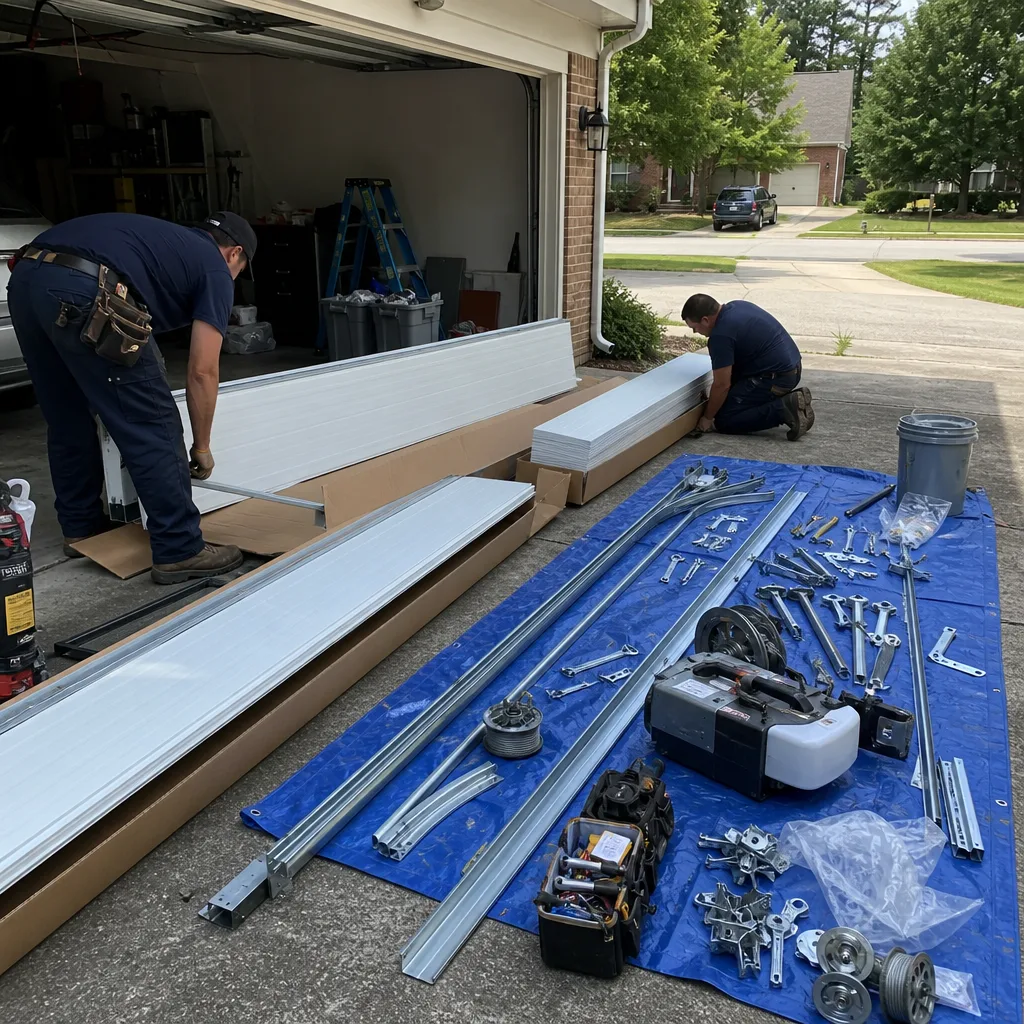
- Trusting a contractor who says “you don’t need a permit” without checking. The contractor is not the one who will own the title problem if they are wrong. Verify with the city directly. The permit question is checkable, and it is your address on the record.
- Assuming a door replacement is always exempt. It is exempt if the rough opening is unchanged and the header is intact. The moment the contractor says they need to “adjust the opening,” “straighten the frame,” or “replace a rotted header,” the exemption likely disappears.
- Skipping the permit history check before buying a home in Sandy Springs. A $25 records search can reveal a $3,000 framing correction you would otherwise inherit. Do it before closing, not after the garage door fails.
- Choosing a door based on price before wind load rating. A door that is not rated for your exposure category will eventually fail in a storm, and the insurance claim will be denied because the installation was non-compliant. This is the most expensive bargain in Georgia garage door work.
- Installing a new opener on a dedicated circuit without the electrical permit. If the new LiftMaster opener requires a new circuit from the panel, that is electrical work under the National Electrical Code, and it requires an electrical permit even if the door itself is exempt.
- Accepting a verbal quote for structural work. When the scope includes header modification or opening changes, the price needs to be written and the scope needs to be specific. A verbal number invites a change order before the framing inspection.
- Waiting until after the fact to apply for the permit. After-the-fact permits in Sandy Springs carry higher fees than standard permits, and the city is more likely to require engineering review on work it did not see in progress. The permit belongs before the work, not after the problem.
When to Call a Professional
Call a professional when the project involves the header, the rough opening, or the electrical circuit. Those are the three components where the permit decision lives, and a qualified garage door contractor in Sandy Springs should be able to tell you in the first phone call whether your project is exempt or permitted. If the answer is a shrug or a hedge, that is the signal to get a second opinion. Call a professional when the door shows signs of structural stress: drywall cracks radiating from the garage door corners, a header that is visibly deflecting, or a door that binds against the tracks because the opening has shifted. Those are framing issues before they are door issues. Garage Door Repair in Sandy Springs is the page to read if you are diagnosing a problem; Garage Door Installation in Sandy Springs covers the replacement path. Servo Garage Doors Sandy Springs offers free estimates in Sandy Springs, including a permit history check as part of the site visit. Call (470) 944-6743 and a named technician will be on the phone, not a callback queue.
Frequently Asked Questions
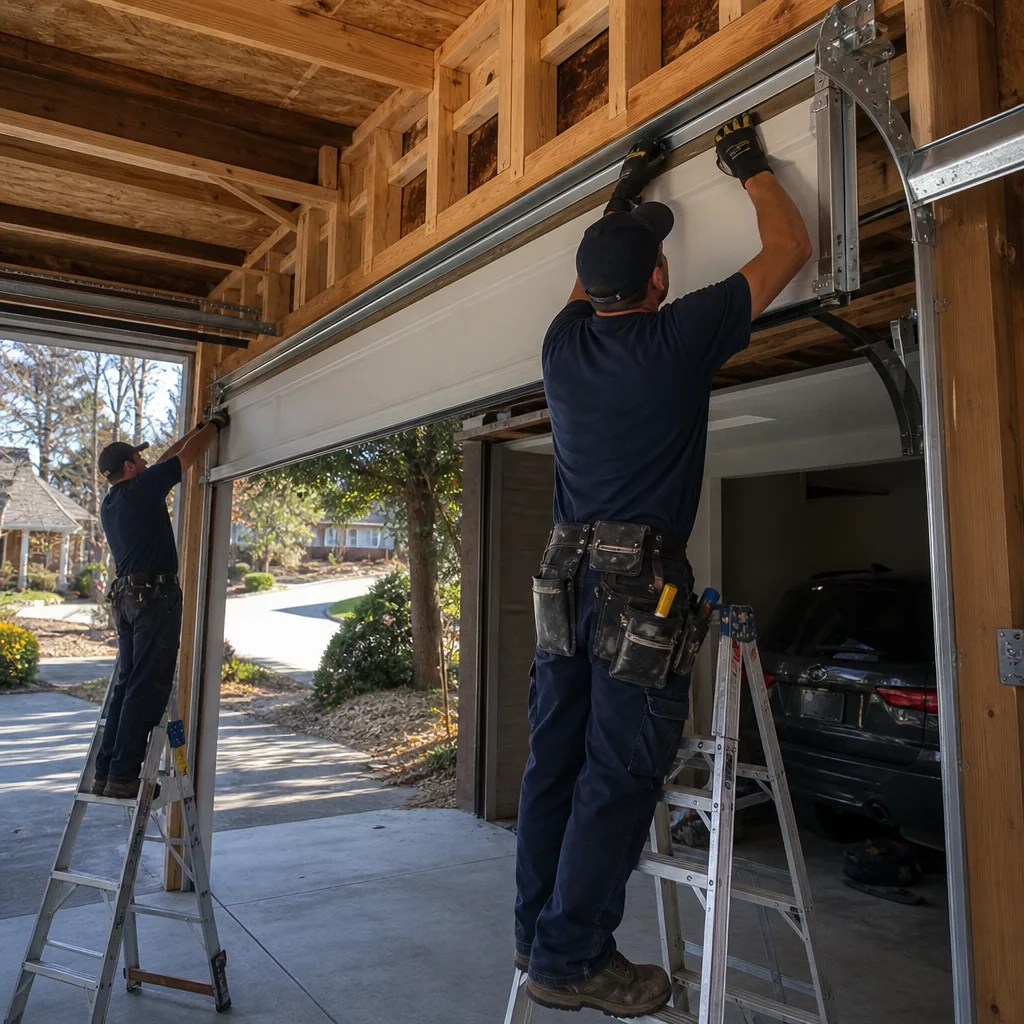
No permit is required for a like-for-like garage door replacement in Sandy Springs where the rough opening, header, and electrical circuit are unchanged. A permit is required if the opening size changes, the header is modified or replaced, a new opening is created, or a new electrical circuit is added for the opener. If you are unsure, call the Sandy Springs Community Development Department with your address and scope before scheduling work. For an exact answer on your specific project, call (470) 944-6743 and we will check the permit history for your address as part of the free estimate.
Garage door permit fees in Sandy Springs generally run $50 to $150 depending on the valuation of the work. After-the-fact permits for unpermitted work carry higher fees, typically double the standard rate plus any plan review costs. The permit fee is a small fraction of the cost of remediating a failed inspection or resolving a title defect at closing.
A standard garage door permit in Sandy Springs is usually issued within a few business days when the scope is straightforward and the plan review is prescriptive. Projects requiring engineering review add one to two weeks. Inspections are typically scheduled two to five business days out. A permitted garage door installation, start to final inspection, usually completes within two to three weeks including lead time for the door itself.
On a rough-in inspection, the inspector checks the header size, trimmer and king stud configuration, and load path. On the final, they check door balance, track fastening against the wind load requirements, opener auto-reverse function on both the mechanical and photoelectric systems, and the presence of manufacturer wind load documentation. The final inspection is the one that puts the permit on the record as complete.
Yes. If a prior owner modified the garage door opening without a permit, the deficiency transfers with the property. It can surface as an insurance claim denial, a title defect at your next sale, or a required after-the-fact permit and remediation. Request the permit history for any Sandy Springs property before you buy it, and know what is on the record before you complete the purchase.
Yes. The 365-Day Done Right Promise covers every repair and installation Servo Garage Doors Sandy Springs completes, including permitted work that clears final inspection. The promise means if the work is not done right, it is made right, backed by The Haven Standard in writing, not a handshake. Clause 1 of The Haven Standard means the price is written and the scope is written before any work starts, and Clause 4 is why the technician photographs the failed component before quoting a replacement. For more on how the standard applies to openers, see Garage Door Opener Repair & Installation in Sandy Springs.
The Bottom Line
Garage door permits in Georgia are a narrow but specific set of requirements. Most Sandy Springs homeowners will complete a door replacement without ever pulling a permit, because like-for-like replacement is exempt under the IRC and city ordinance. The projects that do trigger permits are the structural and electrical ones, and those are exactly the projects where the paper trail matters most. Check the permit history before you hire. Confirm the wind load rating before the door goes in. Get the price in writing before the work starts. For ongoing maintenance tips, see our Garage Door Repair Maintenance Checklist for Sandy Springs Homeowners. If you want a contractor who treats those steps as standard practice rather than extra service, call Servo Garage Doors Sandy Springs at (470) 944-6743.
Written by Marcus Deller, Owner at Servo Garage Doors Sandy Springs, serving Sandy Springs since 2015.